Go Back

Page Count:224
Images:Black & White Images
Dimensions: 6 × 9 × 0.45 in
Publication Date:April 07, 2020
ISBN:9780865719309
Sustainability:Printed on 100% recycled paper
Printed in:Canada
Audiobook Narrator:David Skulski
Audiobook Length:6:14:17

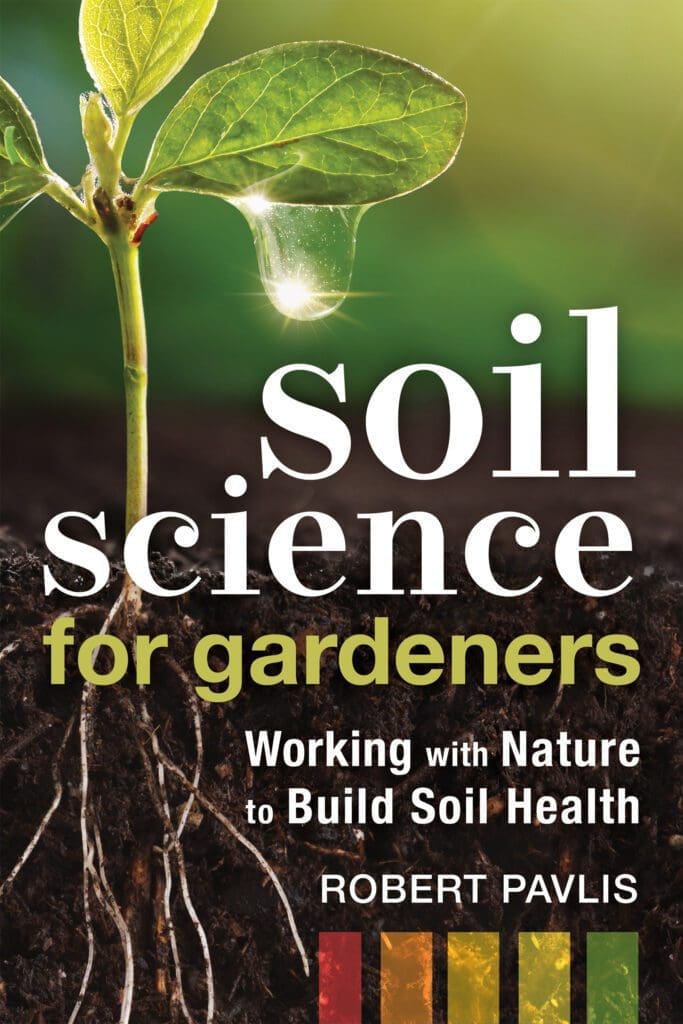
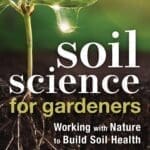
Soil Science for Gardeners

Working with Nature to Build Soil Health

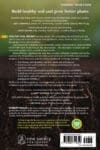
Soil Science for Gardeners is an easy-to-read, practical guide to the science behind a healthy soil ecosystem and thriving plants. The book debunks common myths, explains soil science basics, and provides the reader with the knowledge to create a personalized soil fertility improvement program for better plants.

Earn up to 23 Points.

Build healthy soil and grow better plants

Robert Pavlis, a gardener for over four decades, debunks common soil myths, explores the rhizosphere, and provides a personalized soil fertility improvement program in this three-part popular science guidebook.

Healthy soil means thriving plants. Yet untangling the soil food web and optimizing your soil health is beyond most gardeners, many of whom lack an in-depth knowledge of the soil ecosystem.

Soil Science for Gardeners is an accessible, science-based guide to understanding soil fertility and, in particular, the rhizosphere – the thin layer of liquid and soil surrounding plant roots, so vital to plant health.

Coverage includes:

  • Soil biology and chemistry and how plants and soil interact
  • Common soil health problems, including analyzing soil’s fertility and plant nutrients
  • The creation of a personalized plan for improving your soil fertility, including setting priorities and goals in a cost-effective, realistic time frame.
  • Creating the optimal conditions for nature to do the heavy lifting of building soil fertility

Written for the home gardener, market gardener, and micro-farmer, Soil Science for Gardeners is packed with information to help you grow thriving plants.

Praise for the book

Explains why things work in your garden! Equally important, Pavlis uses science to destroy so many gardening myths.

JEFF LOWENFELS, author, DIY Autoflowering Cannabis and the Teaming With Trilogy

A horticultural path of success and discovery.

MARK CULLEN, C.M., president, Mark’s Choice, co-author, Escape to Reality

Tells what’s going on in soils and then offers practical directions to manage soil for more productive and healthier plants.

LEE REICH, author, The Ever Curious Gardener

Table of Contents

  • Introduction
    • What Is Soil Health?
    • Using the Book
    • Terminology

SECTION 1: UNDERSTANDING SOIL

  • 1. Soil Basics
    • Components of Soil
    • Origin of Soil
    • Soil Particles
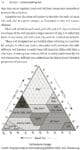
    • Soil Texture
    • Importance of Particle Size
    • Air and Water
    • Aggregation and Soil Structure
    • Soil pH
  • 2. Plant Nutrients
    • Ions
    • What Is Salt?
    • Movement of Nutrients in Soil
    • Essential Plant Nutrients
    • Micronutrients
    • Cation Exchange Capacity (CEC)
  • 3. Soil Life
    • Energy Food Web
    • The Power of Large Molecules
    • Ratio of Fungi to Bacteria
    • Chemicals in the Soil
    • Pathogen Control
    • Identification of Microbes
  • 4. Bacteria
    • What Do They Eat?
    • Where Do They Live?
    • Role in Disease Prevention
    • Ideal Environment
    • Role in Building Soil Aggregates
    • Conditions that Harm Bacteria
    • Nitrogen Fixation
  • 5. Fungi
    • What Do They Eat?
    • Where Do They Live?
    • Fungi at War
    • Fungal Parasites
    • Mycorrhizal Fungi
  • 6. Other Organisms
    • Actinomycetes
    • Algae
    • Protozoa
    • Nematodes
    • Arthropods
    • Earthworms
  • 7. Organic Matter
    • Decomposition: Converting Dead Things into Humus
    • Truth About Humus
    • Too Much Organic Matter
    • Compost
    • Chelation
  • 8. Rhizosphere
    • Root Exudates
    • Soil Enzymes
    • Effect of Desiccation
    • Soil pH Levels
    • Dynamic Microbe Population
    • Allelochemicals
    • Plants Are in Control

SECTION 2: SOLVING SOIL PROBLEMS

  • 9. Identifying Soil Problems
    • Why Do We Fertilize?
    • Soil Testing
    • Plants as Indicators of Soil Problems
    • Plant Tissue Analysis
    • DIY Test Kits
    • Determining Soil Texture
    • Crusted Soil
    • Quantification of Microbes
    • Level of Organic Matter
    • Compaction
    • Hardpan
    • Drainage
  • 10. Gardening Techniques That Affect Soil
    • Tilling
    • Working the Land
    • Mulching
    • Hoeing
    • Cover Crops
    • Raised Bed Gardening
    • Crop Rotation
    • Companion Planting
  • 11. Solving Chemical Issues
    • Buffer Capacity
    • Increasing pH
    • Decreasing pH
    • Saline and Sodic Soils
    • Increasing CEC
    • Synthetic vs Organic Fertilizers
    • Understanding Fertilizers
    • Synthetic Fertilizers
    • Organic Fertilizers
    • Fad Products
  • 12. Solving Microbe Issues
    • Inoculation
    • Solarization
    • Controlling Pathogens
    • Compost Tea
    • Best Practice for Increasing Microbe Populations
  • 13. Increasing Organic Matter
    • Options for Adding Organic Matter
    • Cover Crops
    • Vermicompost
    • Bokashi Compost
    • Biochar
    • Biosolids
  • 14. Dealing with Structural Problems
    • Compaction
    • Drainage Issues
    • Modifying Soil Texture
    • Clay Soils
    • Sandy Soils

SECTION 3: A PERSONALIZED PLAN FOR HEALTHY SOIL

  • 15. Developing a Plan for Soil Health Improvement
  • 16. How Detailed Should You Get?
  • 17. Soil Health Assessment
    • Chemical Tests
    • Soil Sampling Instructions
  • 18. Soil Health Action Plan
    • Soil Health Assessment
    • Action Plan
    • Action Plan Follow-up
  • Appendix A: Soil Health Assessment Form
  • Appendix B: Action Plan for the Year
  • Index
  • About the Author
  • About New Society Publishers

Accessibility Information

Product Page Accessibility Display

Conformance Status: EPUB Accessibility Compliant | WCAG level AA Compliant
Screen Reader Compatibility: Designed for an optimal screen reader experience and fully accessible to persons with disabilities.

Content Enhancements

Alternative Text for Images: Descriptive text is provided for all images, ensuring visual content is fully accessible.
Table of Contents: Easy, direct navigation through a clean, structured table of contents.
Reading Order: Enforces a logical and consistent reading order for sequential, uninterrupted content consumption.
Page List: Includes an accurate page list for physical book page referencing and exact academic citation synchronization.
Structural Navigation: Built with a clear hierarchical layout for easy content traversal and section hopping.
Semantic Structure: Employs appropriate semantic markup to ensure absolute text clarity, meaning, and text-to-speech accuracy.

Reading Optimization

Unrestricted Formatting Preferences: User-configured assistive tools, custom typography scaling, line-spacing modifications, and native reading application options are never locked or disabled.
Color Independence: Textual layouts, data states, and links use distinct styles or symbols so that color changes are never the sole method of conveying critical information.
High-Contrast Design: Typography contrast levels comfortably exceed standard baseline parameters to reduce eye strain under any lighting environment.
Non-Visual Accessibility Support: All non-decorative editorial text and data visualizations are optimized to support reading entirely without sight.
Language Tagging: Embedded text attributes direct text-to-speech engines to use correct pronunciation defaults automatically.
Blank Page Removal: Unnecessary blank pages are completely eliminated to ensure a streamlined, smooth reading flow.

Contact Information

For further information or questions contact [email protected]

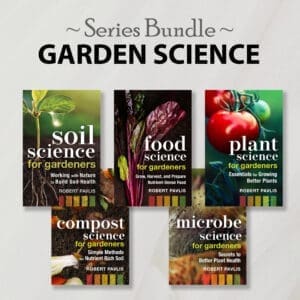
Explore the Garden Science Series

Meet the Author

author Robert Pavlis

Robert Pavlis has been an avid gardener for over four decades. He is the owner and developer of Aspen Grove Gardens, a 6-acre botanical garden that features over 3,000 varieties of plants. Specializing in soil science, he has been an instructor for Landscape Ontario and is a garden blogger, writer, and chemist. The author of Building Natural Ponds, Pavlis is a well-known speaker whose audiences include Master Gardener groups, horticultural societies, orchid societies, and garden shows such as Canada Blooms and the FarmSmart conference. He teaches gardening fundamentals at the University of Guelph and garden design for the City of Guelph, Ontario, where he currently resides.

More from Robert Pavlis

Articles from the book

You Might Also Like

Reviews

There are no reviews yet.

Be the first to review “Soil Science for Gardeners”

Related Categories

About the Publisher

New Society Publishers has been a leader in sustainable living books since 1980. Our books are printed on 100% post-consumer recycled paper to support the health of the planet.

B Corporation, SDG, and FSC Mixed Paper.
Select your currency
Secret Link