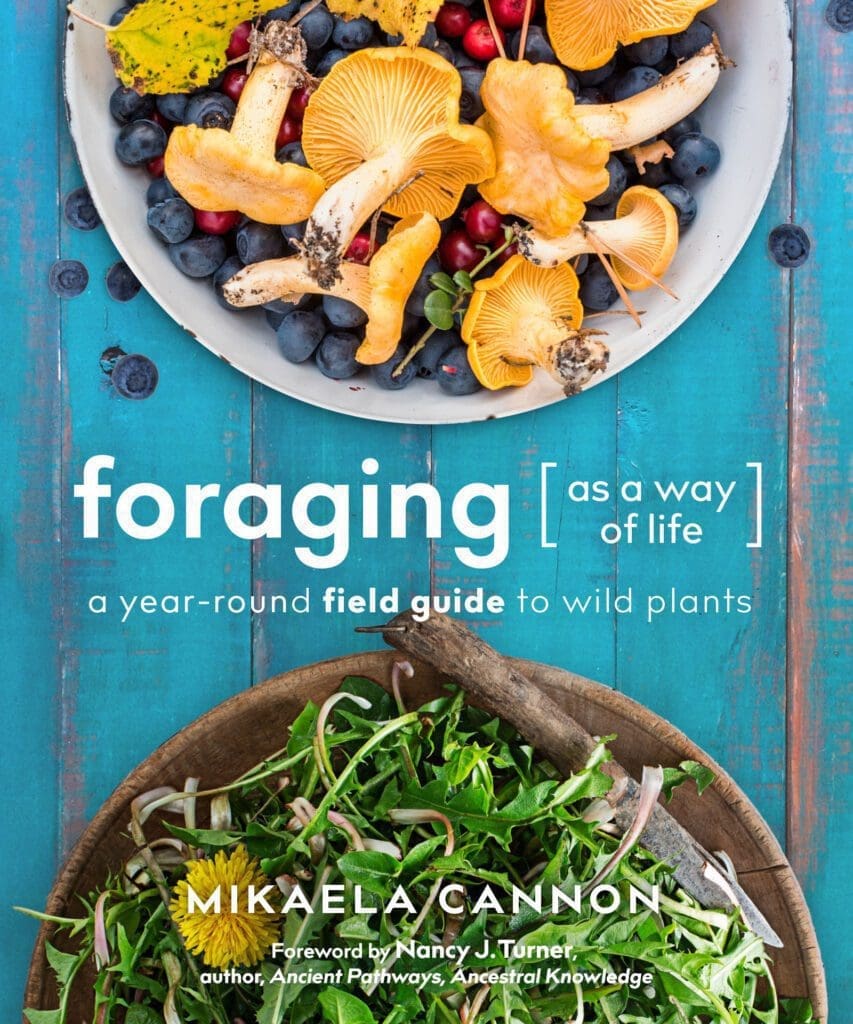
Nourish your family from nature’s pantry. Foraging as a Way of Life documents a full year of wildcrafting for abundant local and seasonal eating. Lavishly illustrated, detailed descriptions of each plant are written in an accessible style, complemented by profiles, recipes, and tips for safe and sustainable harvesting.
Find connection with the land and feed your family locally, seasonally, and sustainably
Nourish your family from nature’s pantry. Foraging as a Way of Life documents twelve months of wildcrafting, featuring five different plants each month for a full year of abundant, local, and seasonal eating. Enhance your sense of self-sufficiency while increasing food security, protecting habitat, and connecting with the land.
Full-color and lavishly illustrated, this accessible, in-depth resource features:
- Accurate and detailed descriptions of herbs, mushrooms, berries, and other wild plants to avoid confusion and inspire confidence when determining plant identification.
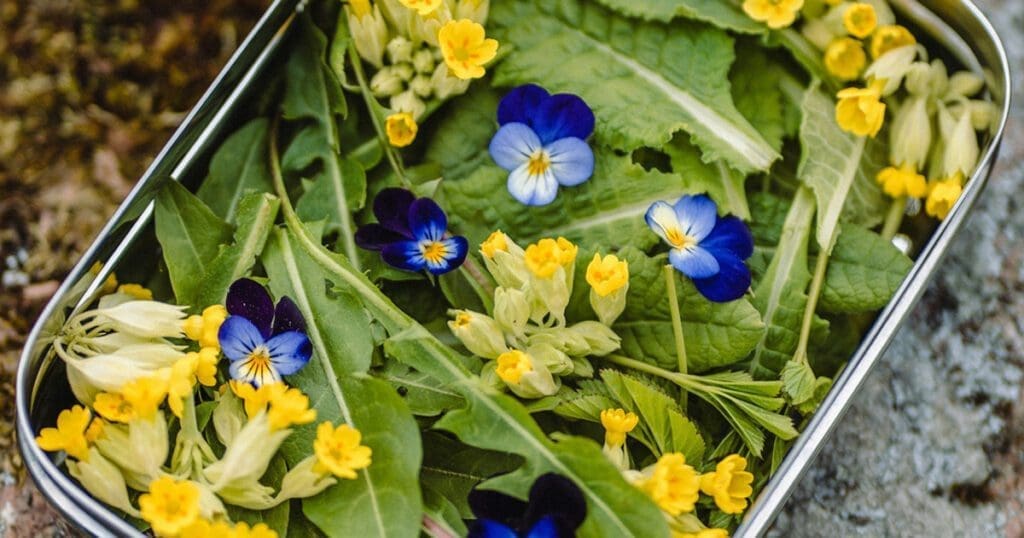
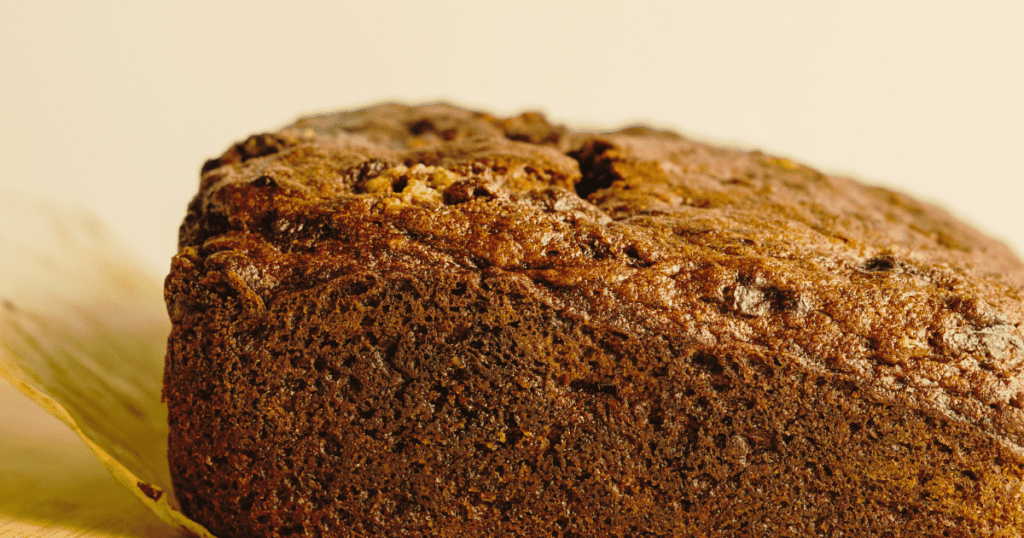
- Foraging recipes for remedies, tonics, syrups, and unique handcrafted dishes incorporating wild ingredients—feast on rosehip soup with pan-fried dandelion flowers, followed by birch- bark cookies or chicory chocolate bars.
- Extensive guidance for safe processing or consumption of each species, including cautions, lookalikes, and tips for sustainable harvesting.
Drawing on the author’s field experience and her study of herbalism and ethnobotany, Foraging as a Way of Life is designed to inspire readers to share the exuberance and joy of wild foods while finding nourishment and connection in their local fields or forests. A must for every gardener who would like to gather dinner while weeding, for those wishing to learn sustainable harvesting while hiking, or for anyone who wants to create healthy, foraged meals while living lightly on the planet.


Theresa O’Connell –
I received this as an ARC from New Society Publishers. Thank you.
The writer of this book focused on plants that were found on her foraging trips in Pacific Northwestern Canada. Many of the species and different cultivars can be found throughout the world. So this book can be used in many different places.
At the end of the author’s personal expirence with each of the plants, there is a section of plant lookalikes that have a similar purpose, and ones that can be toxic and deadly. There are also caution boxes throughout the text with important information and warnings about the plants.
I enjoyed that the author focused on First Nations, and the important things she learned from elders and other members of the Nations. As an extra bonus, the author mentioned the Sami People and some of their usage of plants.
This book is a good introduction to foraging. And is reasserts the main rules of foraging, if you don’t know what it is leave it alone. If you want to know what it is, ask someone who has the skills to identify it properly. They will gladly teach you. And most of all don’t take too much.
Juanita Wierzba –
For a long time, I have been interested in wild food identification – and given what should be everybody’s food security and food nutrition integrity as we see in commercial food production – I believe it is so important to be able to identify what is and isn’t edible to humans in our wild surroundings.
I was thrilled to receive this book – Foraging as a way of life, written by Mikaela Cannon and published by New Society Press.
This book offers a wealth of information on not only edible wild food but also medicinal and practical plants that can be used by human beings in the same way that first people groups were able to with their intrinsic knowledge of the botanical world.
Though written clearly for the region that Mikaela has lived and worked in, there are many plants that we are able to find here in my home country of South Africa.
The book is divided into handy seasonal sections and just by paging through the book you can see how Mikaela has meticulously studied and documented every aspect of each plant profile’s practical, edible or medicinal benefits.
This is a foraging handbook par excellence and one that will get very dog-eared with continued reference for food foragers and nature lovers alike.
Rachel –
I’ve read a lot of foraging books over the last 15 years, and I found Foraging as a Way of Life to be the most balanced in terms of research, history, and the author’s personal experience with the plants included in the book. In addition to the more standard scientific descriptions to identify plants, there are also user-friendly descriptions (e.g. “looks like a miniature daffodil”) that are easy to learn and remember. The photographs to aid with identification are both beautiful and helpful (and honestly, they make me want to get outside and look more closely at the plants around me!). Despite owning multiple books on edible and medicinal plants, I learned a lot of new and useful information in this book, even on edibles as commonly written about as dandelions. I appreciated the author’s evident curiosity about plants, her respect for them, and her humility and honesty about what she knows and what she is still learning. I also appreciate that when she includes a preparation method or a recipe, she is not just repeating information from other sources—she uses and consumes these plants in her own home, with her own family.
Genevieve Dubois –
Foraging as a Way of Life by Mikaela Cannon truly touched my heart. In uncertain times, this book is a beautiful reminder of how we can find solace and strength in nature. Mikaela’s writing is both practical and soulful, offering foraging tips while gently guiding us back to a more intentional, grounded way of living. Her reflections on sustainability and respect for the earth feel especially relevant now, encouraging us to slow down and reconnect with the land. This book has inspired me to live with more mindfulness and trust, making it a must-read for anyone seeking peace in today’s world.