Go Back

Page Count:224
Images:Black & White Images
Dimensions: 6 × 9 × 0.52 in
Publication Date:January 24, 2023
ISBN:9780865719767
Audiobook Narrator:David Skulski
Audiobook Length:5:55:40

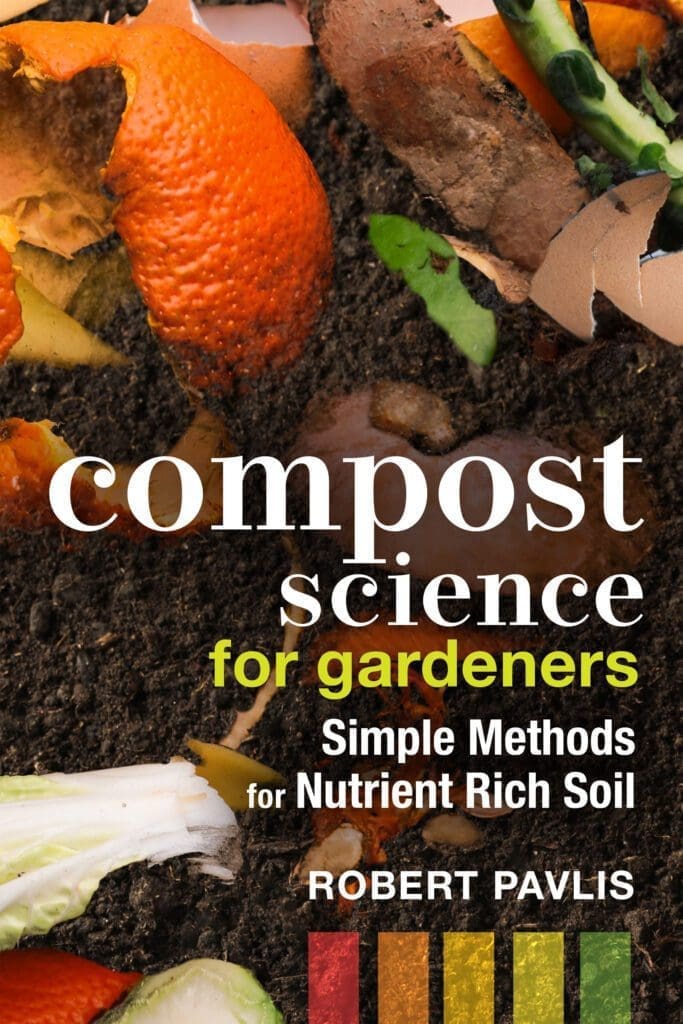
Compost Science for Gardeners

Simple Methods for Nutrient-Rich Soil

Compost Science for Gardeners demystifies the full range of composting methods and helps readers determine or select the best technique for their situation. This comprehensive, plain-language, science-based book covers everything from the inputs required to the beneficial impacts on the environment and soil health.

Earn up to 25 Points.

Create your own compost and grow better plants.

With breathtaking clarity, Robert Pavlis’ Compost Science for Gardeners demystifies composting practices and helps readers determine the best technique for their unique situation. This comprehensive science-based book is your key to building healthier soil and growing better plants.

Using plain language and easy-to-follow instructions, this essential resource distills and blends the latest scientific research with the author’s many decades of knowledge and experience into manageable form, debunking a host of common gardening myths along the way. Learn about:

  • The role of composting in the ecological cycle
  • Compostable materials to incorporate and those to avoid
  • Browns and greens vs the carbon-to-nitrogen ratio
  • The full range of composting methods, including cold and hot composting; composting in piles, bins, and tumblers; and pit and trench composting
  • Keyhole gardening, food digesters, vermicomposting, bokashi, eco-enzyme fermentation, and more
  • The relative merits and impact on the environment of each composting technique
  • Using finished compost to improve soil health

Anyone can compost. Whether you are a balcony or backyard gardener, market gardener, small-scale farmer, or homesteader, or even if you are simply looking for a way to keep organic matter out of the landfill, this book will show you how to do it simply, safely, and sensibly.

Praise for the book

This should be your go-to manual for great soil!

JEFF LOWENFELS, author, DIY Autoflowering Cannabis

Myth-buster Robert Pavlis has done it again, writing an essential resource on the science (and art) of composting.

REBECCA MARTIN, technical editor, Mother Earth News magazine

Table of Contents

1. Introduction
What Is Compost?
Why Should Everyone Compost
Myths About Composting
Definitions

2. The Role of Compost in Soil
Benefits of Composting
The Microorganism Myth
What Is Soil Health?
What Is Soil?
Plant Nutrients
Tilling
Mulching

3. The Science of Composting
The Reality of Composting
The Hot Composting Process
Understanding Microbes
The Role of Macroorganisms
What Role Do Worms Play?
Heat Kills Pathogens
Heat Kills Weed Seeds
How Long Does It Take?
The Carbon to Nitrogen Ratio
Cold vs Medium vs Hot
Chemical Properties of Compost
Loss of Plant Nutrients
Humus
When Is Compost Ready?

4. Compostable Material
Good Composting Material
Controversial Composting Material
Bad Composting Material

5. Managing the Composting Process
Location
Storing Input Ingredients
Air
Water
Turning
Shred Input Material
The Curing Stage
Using Activators
Nitrogen Sources
Winter Time
Two Is Better than One
Speeding Up the Process
Keep Animals Out
Keep Out Insects
Troubleshooting
Selecting the Right Composting System

6. Piles, Bins, and Tumblers
Simple Piles
Bins and Boxes
Wire Cage
Plastic Garden Composter
Tumblers and Rotating Drums (Barrels)
Food Waste Digester
Windrow Composting
Sheet Composting

7. Easy Composting
Cut and Drop Method
Leaf Mold
Pit and Trench Composting
Keyhole Composting
Electric Composters (Food Digesters)

8. Vermicomposting
Understanding Worms
What Is Vermicompost?
Selecting the Right Worms
Worm Bins
Worm Food
Bedding Material
Caring for Your Pets
Troubleshooting
Harvest Castings
Using Vermicompost
Vermicompost Tea
Is Vermicompost Special?

9. Bokashi Composting
The Fermentation Process
Fermentation vs Composting
The Bokashi Method
The Power of Effective Microbes (EM)
Brew Your Own EM Microbes
Making Bokashi Bran
Using Bokashi Leachate (Tea)
Using Bokashi Ferment
Soil Factory Using Bokashi Ferment
Pros and Cons of Bokashi

10. Eco-enzyme (Garbage Enzymes)
What is Eco-enzyme?
Making Eco-enzyme
Using Eco-enzyme Tea
Using Eco-enzyme Ferment

11. Buying Compost
Municipal Compost
Biosolids (Sewage Sludge)
Mushroom Compost

12. Compost Tea
Types of Compost
Claimed Benefits of Compost Tea
What Does the Science Say

13. Selecting the Best Composting Method
Environmental Concerns
Mixing Composting Methods

14. Using Compost
When Is Compost Finished?
Should You Sift Compost?
Mulching vs Burying
Beware of High Carbon Compost
Is Compost Safe for Vegetables?
Amending Potting Soil
Can You Use Too Much Compost?
Storing Compost
When Is the Best Time to Use Compost?
Can Compost Make You Sick?

Epilogue: Beware of Garden Myths

Endnotes
Index
About the Author
Also by the Author
About New Society Publishers

Accessibility Information

Product Page Accessibility Display

Conformance Status: EPUB Accessibility Compliant | WCAG level AA Compliant
Screen Reader Compatibility: Designed for an optimal screen reader experience and fully accessible to persons with disabilities.

Content Enhancements

Alternative Text for Images: Descriptive text is provided for all images, ensuring visual content is fully accessible.
Table of Contents: Easy, direct navigation through a clean, structured table of contents.
Reading Order: Enforces a logical and consistent reading order for sequential, uninterrupted content consumption.
Page List: Includes an accurate page list for physical book page referencing and exact academic citation synchronization.
Structural Navigation: Built with a clear hierarchical layout for easy content traversal and section hopping.
Semantic Structure: Employs appropriate semantic markup to ensure absolute text clarity, meaning, and text-to-speech accuracy.

Reading Optimization

Unrestricted Formatting Preferences: User-configured assistive tools, custom typography scaling, line-spacing modifications, and native reading application options are never locked or disabled.
Color Independence: Textual layouts, data states, and links use distinct styles or symbols so that color changes are never the sole method of conveying critical information.
High-Contrast Design: Typography contrast levels comfortably exceed standard baseline parameters to reduce eye strain under any lighting environment.
Non-Visual Accessibility Support: All non-decorative editorial text and data visualizations are optimized to support reading entirely without sight.
Language Tagging: Embedded text attributes direct text-to-speech engines to use correct pronunciation defaults automatically.
Blank Page Removal: Unnecessary blank pages are completely eliminated to ensure a streamlined, smooth reading flow.

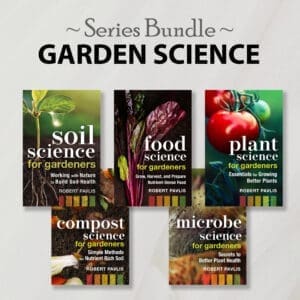
Explore the Garden Science Series

Meet the Author

author Robert Pavlis

Robert Pavlis has been an avid gardener for over four decades. He is the owner and developer of Aspen Grove Gardens, a 6-acre botanical garden that features over 3,000 varieties of plants. Specializing in soil science, he has been an instructor for Landscape Ontario and is a garden blogger, writer, and chemist. The author of Building Natural Ponds, Pavlis is a well-known speaker whose audiences include Master Gardener groups, horticultural societies, orchid societies, and garden shows such as Canada Blooms and the FarmSmart conference. He teaches gardening fundamentals at the University of Guelph and garden design for the City of Guelph, Ontario, where he currently resides.

More from Robert Pavlis

Articles from the book

You Might Also Like

Reviews

There are no reviews yet.

Be the first to review “Compost Science for Gardeners”

Related Categories

About the Publisher

New Society Publishers has been a leader in sustainable living books since 1980. Our books are printed on 100% post-consumer recycled paper to support the health of the planet.

B Corporation, SDG, and FSC Mixed Paper.
Select your currency
Secret Link