


The Five Workshop Rhythms
During my decades of workshop facilitation, I’ve identified “five rhythms” of effective workshops: teaching/learning, experiencing, interacting, expressing, reflecting/integrating. These elements may overlap rather than unfold in sequential order, but each one plays an essential role in the workshop process.
1. Teaching and Learning

The workshop leader introduces the workshop focus and content. This is the primary reason that people come to our workshops: to learn and experience something new in a group with others. Our participants come hoping for an encounter with new material, with each other, and perhaps most importantly, with themselves.
We may present content by describing and explaining it, offering examples, bringing in brief quotations, poetry, printed materials, PowerPoint, or through screen sharing if we are teaching online. We will most likely offer a variety of approaches and might also illustrate it with a personal anecdote, when appropriate.
2. Experiencing
Workshop participants take in the material presented. Their response may involve intellectual understanding, emotional response, intuitive grasp, imaginative association, or bodily sensation; usually, it will be some combination of these. We invite them to “take it personally” and consider how it speaks to them. Participants explore and engage with the material in various ways, including verbal discussion, experiential processes, and writing exercises. This allows the content to be grounded in their own body soul experience.
3. Interacting

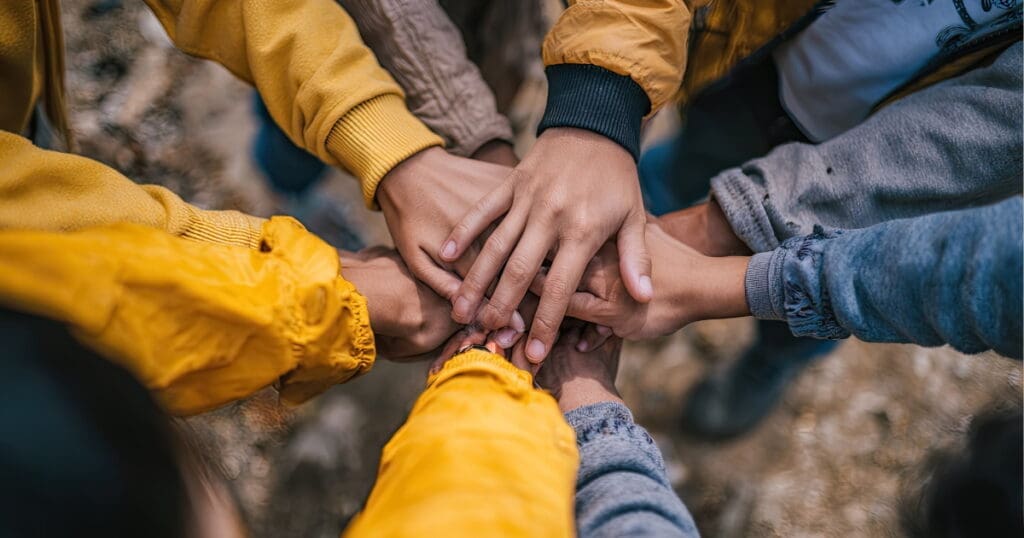
This is the interpersonal dimension of the workshop. Participants encounter and interact with each other in group discussions, experiential exercises, breakout groups, and informally during coffee and lunch breaks. They experience being seen and heard, mirrored and witnessed by each other and the leader. They are enriched and inspired by the perspectives of others in the group, and experience themselves as part of a larger community of women sharing common interests, hopes, and dreams.
4. Expressing
Each participant expresses her response to the material presented, the experiential exercises, her encounters with others in the group, and what this has inspired in her. This may involve writing and movement, drawing and art, collage and maskwork, vocal expression and improvisational exploration. Participants allow the energy and expression of their body soul experience to flow onto paper, into movement, and into art.
5. Reflecting and Integrating
Participants reflect on new insight and understanding they have gained in the course of the workshop and its meaning in their day-to-day lives. Each woman distills the essence of her experience during the workshop. She might ask herself: What is the treasure I take home with me? Where do I go from here? How will these new dimensions of understanding affect my life? This process continues after the workshop has ended. In the days and weeks that follow, her imagination will continue to move in and out of the material.