


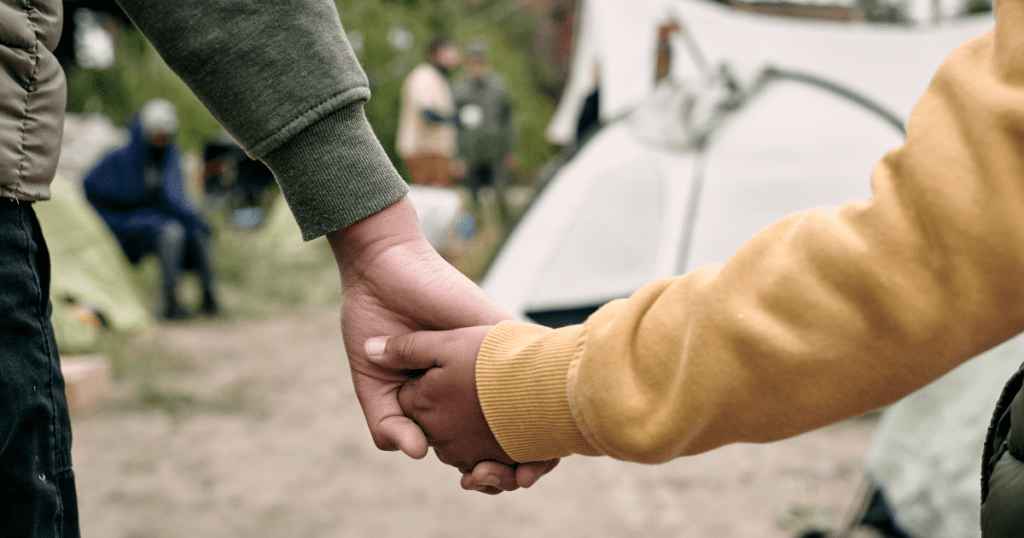

The Peril and Possibility of These Times
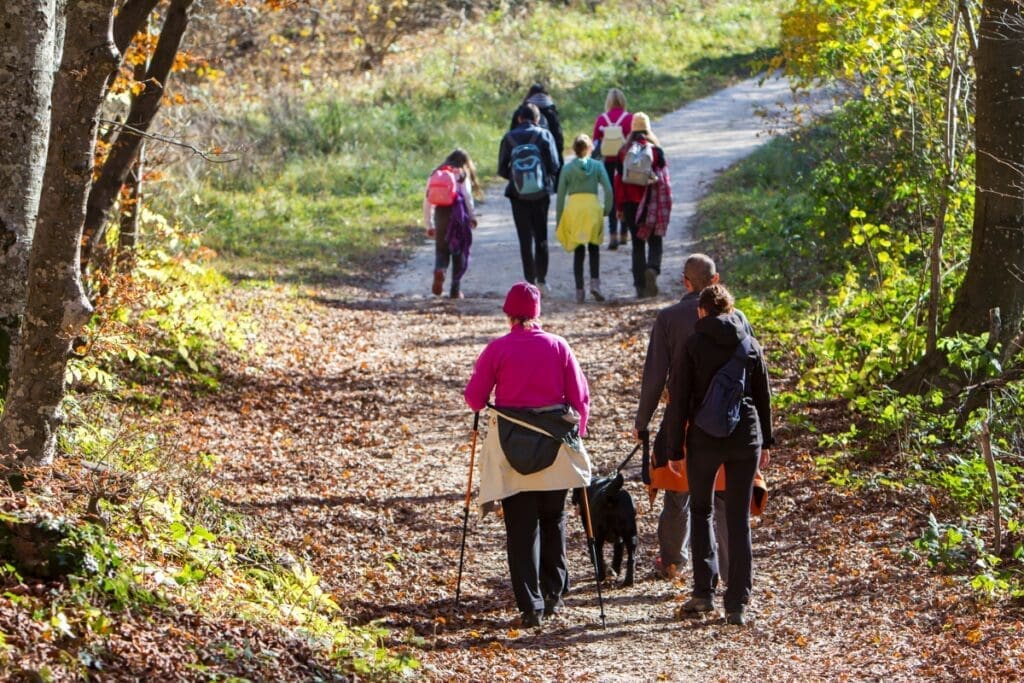
We are all bound together in this life on earth, and our collective behaviors shape our continued existence here. —Prentis Hemphill

Today’s world faces a “polycrisis” composed of interrelated, mutually amplifying horrors that threaten life on Earth from all sides. As humans, the need is great to come together to create a Great Turning to a life-sustaining human presence that works for everyone and all the living systems of Earth. As a species, we will not survive if systems continue that elevate the short-term material benefit of a few people over the health and welfare of the rest of humanity and the biosphere on which life on Earth depends. To come together in the Great Turning, we must recognize these systems of oppression and work to transform them into systems of mutual support. The lives of current and future generations depend on our coming together in collective liberation from systems of domination.
The creation of life-sustaining civilizations calls us to the centrality of collective liberation. Collective engagement in service to addressing the oppression of one group of people by another group of people is critical in order to move toward an authentically life-sustaining civilization.
Such collective action involves a varied spectrum of means and ends. The work of the WTR has flourished in its focus on the domination by humans of the web of life that is their home. What is further and crucially needed, however, in order to truly move toward a life-sustaining, global civilization, is to focus as well on the oppression of human beings by one another. Humans, after all, are embedded in the web of life, and the ranking and subsequent domination by human beings of life forms other than themselves is indivisible from the same mindset that ranks and dominates one group of humans over another. Addressing and changing this mindset is fundamental to the collective liberation of all life.
Further, the forces of othering, ranking, domination, and exploitation are interlocked and are the very roots of both ecosystem destruction and white supremacy. And because of their interlocking nature, it is impossible to adequately address ecosystem destruction without addressing white supremacy as well. Key to contending with how oppressions are interlocked is clarifying the fact of anthropocentrism as a dynamic that binds human agency to a destructively limited understanding of humankind’s place in the web of life.
The results of the 2024 presidential election in the United States, and the ascension to power by the 47th president, have laid bare the racism, bigotry, misogyny, and unhinged impunity of the billionaire class and the right-wing ideologues who have assumed governmental power—they are alive and well as the bedrock of the American empire, which fully denies human integrity and the preciousness of all life—even as ferocious climate crises engulf the planet.
Advances in equity and justice face rollbacks on many fronts. Recent efforts to be more inclusive and respectful of the human rights of all humans are being met with resistance and active efforts to undo these gains. Some of us find ourselves in the midst of a tragic backlash: in the United States, the state of Texas recently banned the use of certain words in schools, like diversity, oppression, and gender identity. When the new presidential administration took office in January 2025, one of its first acts was to renounce and dismantle Diversity, Equity and Inclusion (DEI) programs in all government agencies.
What this abusive power further profoundly reveals is that moving forward to a just transition is only possible if we address the rigid and destructive hierarchies of human oppression. It is our hope that this book will be a meaningful and vital contribution to that transition.
As things fall apart, the need grows ever stronger to turn towards one another instead of turning on one another.

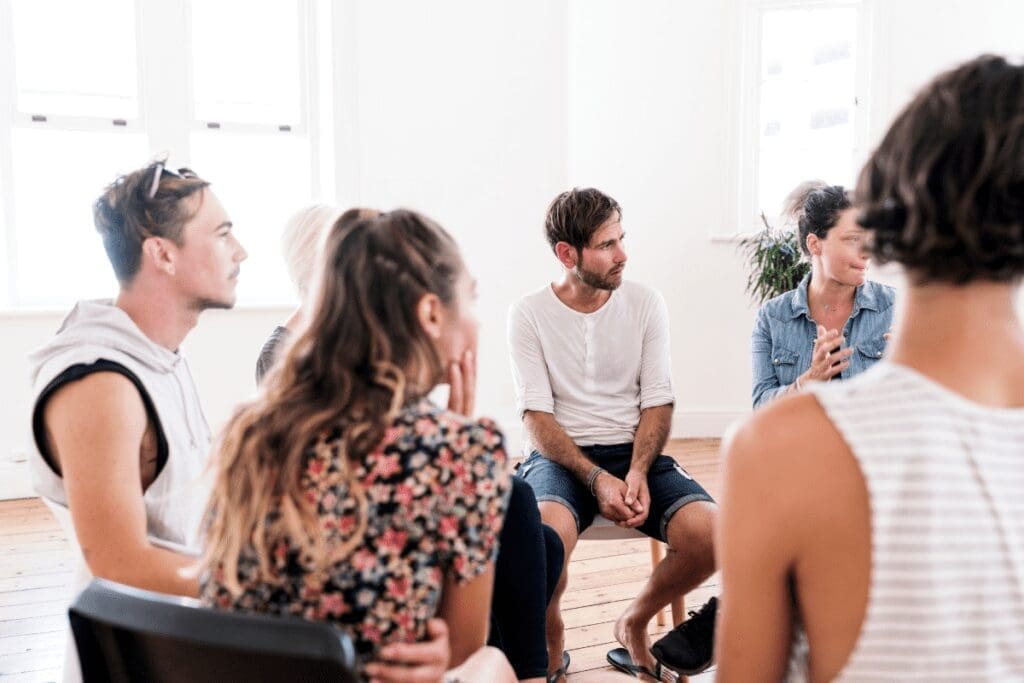
We need spaces to process the horrors of these times, to heal, replenish, and fortify for the work ahead. We need each other to be able to face and move through these feelings so that we may access something bigger than our fear—our love, passion for justice, trust, and space for the new. Being real with what is supports us to clarify and strengthen our empowered action and ways we can contribute to the healing of our world. Something quite magical is possible in groups that is not possible in isolation as we transcend dominant ideologies of separation. Belonging is medicine in today’s fragmented world. We need spaces where we can heal our broken connections with each other and the web of life, our gaps in belonging with one another.
This is sacred work. This is a time when we need skillful holding and tending of group spaces such that we can receive nourishment, healing, unlearning, growth, empowerment, and transformation. We need spaces that connect us with each other, our inner power, our collective power, ancestors and future generations, and the healing powers in the web of life. We need spaces true to the name of work that reconnects.
The Work That Reconnects already has some decolonial approaches within it: connecting with the web of life, listening to life, and connecting with ancestors and future beings. It has helped to heal some of the worldviews and consequent relationships that got us into this mess, and yet a deepening is needed to more fully realize its promise.
While this book has a lot of content geared to people facilitating the Work That Reconnects, much of it is also more broadly applicable to anyone doing group work aimed at reconnecting people with themselves, each other, and the web of life, in order to support powerful action on behalf of the community of life. As such, it may be useful to more than just workshop facilitators, but to anyone seeking to facilitate group spaces that support collective liberation.
Why This Book, Why the Work Needs to Expand
In the years since Coming Back to Life: The Updated Guide to the Work That Reconnects by Joanna Macy and Molly Brown was published in 2014, numerous facilitators of the Work have become more acutely aware of and vocal about patterns of oppressive harm that have been showing up in workshop spaces.
Whenever we gather in groups, we bring all of our conditioning from the dominant culture, which, unless consciously interrupted, will lead to further ruptures in safety, dignity, and belonging. As Sage Crump writes in Holding Change, “Every time people are gathered together, the hegemony of dominant culture is playing out unless there is an intention to be/do otherwise.”
To confront this painful reality, we author/editors offer this book in order to address those patterns of harm—and the systems of oppression behind them—and to offer ways to replace them with “interconnected systems of support,” to use Sarah Nahar’s phrase in Chapter 3. We want to bring more attention to interpersonal and group dynamics in workshops.
People within the Work That Reconnects community, including editors and contributors to this book, have been advocating for an explicit inclusion of a commitment to collective liberation within the core assumptions/starting places of the work (theory), and how the work is conducted (practice). We author/editors and our contributors suggest ways to support deeper work, lessen harm, and respond compassionately to harm when it occurs. As adrienne maree brown teaches, “Any meeting or gathering is a space to practice the future together in the most tangible ways.”
Much of expanding the Work That Reconnects with a robust undo- ing oppression commitment is not specific to particular practices and teachings, but rather more generally relates to the anti-oppression awareness and praxis of the people engaging with this kind of work.