1. Identify Sales Channels
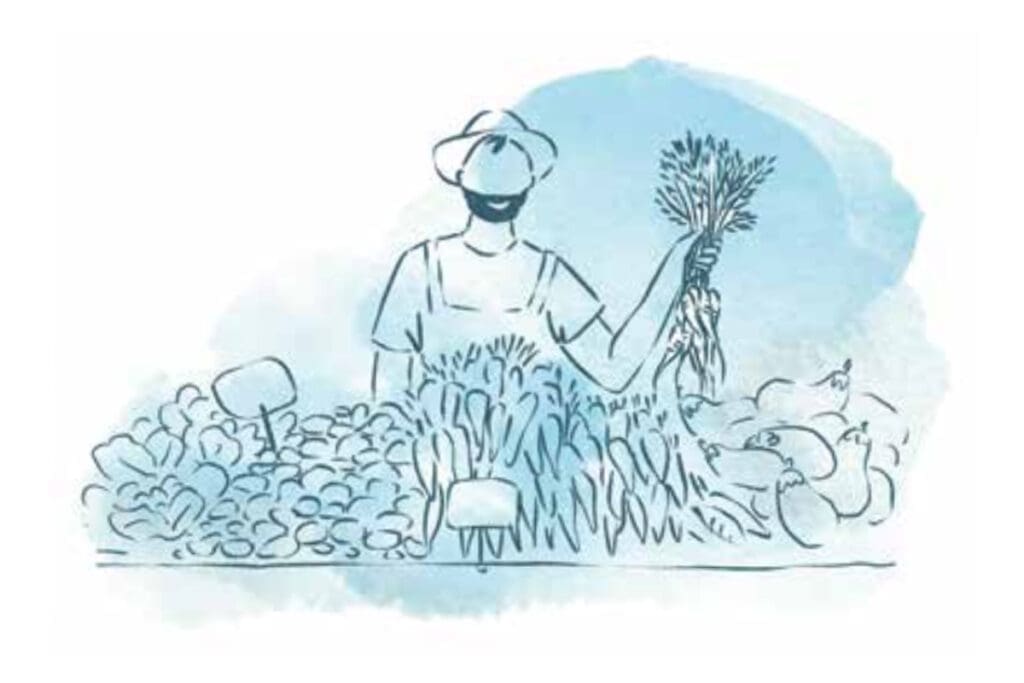
To develop a strategy, you first need to identify potential points of sale. Consider your geographic location and whether there are local stores and restaurants that might appreciate fresh local produce. These can become excellent points of sale.
Farmers’ markets offer a way to sell your products directly to consumers. Explore the markets operating nearby and choose ones that best suit your offerings. If veggie boxes are an option in your area, contact local farming associations or co-ops that offer fresh vegetables to their members.
Some associations and co-ops sell annual or monthly subscriptions that provides consistent revenue for growers. Local grocery stores and organic cooperatives, in search of fresh, local produce, may be open to partnering with market gardeners to supply vegetables. If your farm is located near a city or large town, consider opening your doors to customers for direct on-farm sales.
Decide What Vegetables to Grow
After deciding what vegetable crops to grow, you can determine the necessary bed space, staffing, and supplies.
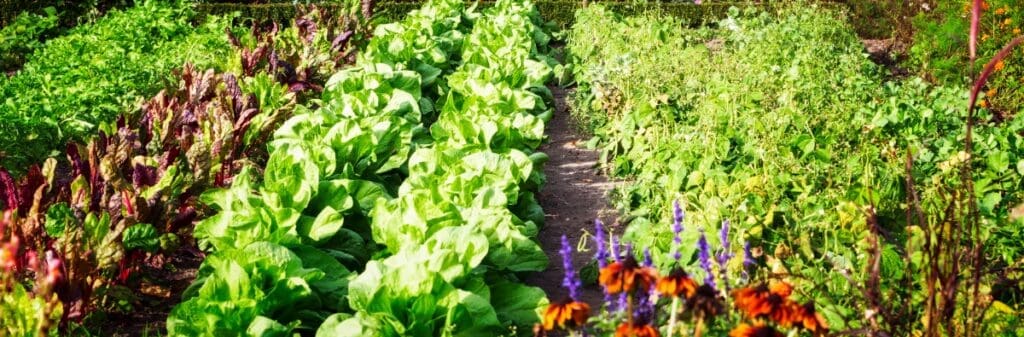
Opt for high-value crops, those that deliver high returns per unit area. Include one or more uncommon vegetables in your offering to pique customer interest; displaying a few lesser-known items breaks the routine and makes you stand out from the competition.
Think about your hardiness zone, the length of your growing season, and any local microclimates that might affect crop outcomes.
Be careful not to overstretch yourself by offering a wide array of vegetables that you don’t know how to grow well. It’s better to do a good job growing a smaller variety of crops than to do a bad job growing lots.
Grow Crops Even in the Winter!
Remember to include vegetables that thrive in the fall and winter—brassicas, spinach, carrots, leeks, and turnips—and can be harvested even when temperatures drop below freezing. Lastly, invest in the right equipment for growing under tunnels or floating row covers to extend your shoulder season and harvest in the winter. This is critical for maintaining a steady stream of revenue in the off season.
Consider Storage Vegetables
Potatoes, beets, carrots, onions, garlic, and winter squashes are all sound choices. Plan ahead so you’ll have enough to sell throughout the winter and make sure you have enough storage space.
To build customers loyalty, offer freshly harvested vegetables such as carrots, leeks, or cabbage along with storage crops.
Some customers may wonder if your produce just came from refrigerated storage and therefore isn’t quite farm fresh. To dispel these feelings and give your display a boost, consider growing extra-fresh vegetables such as mesclun, lettuces, or radishes.
Seeding Under Cover
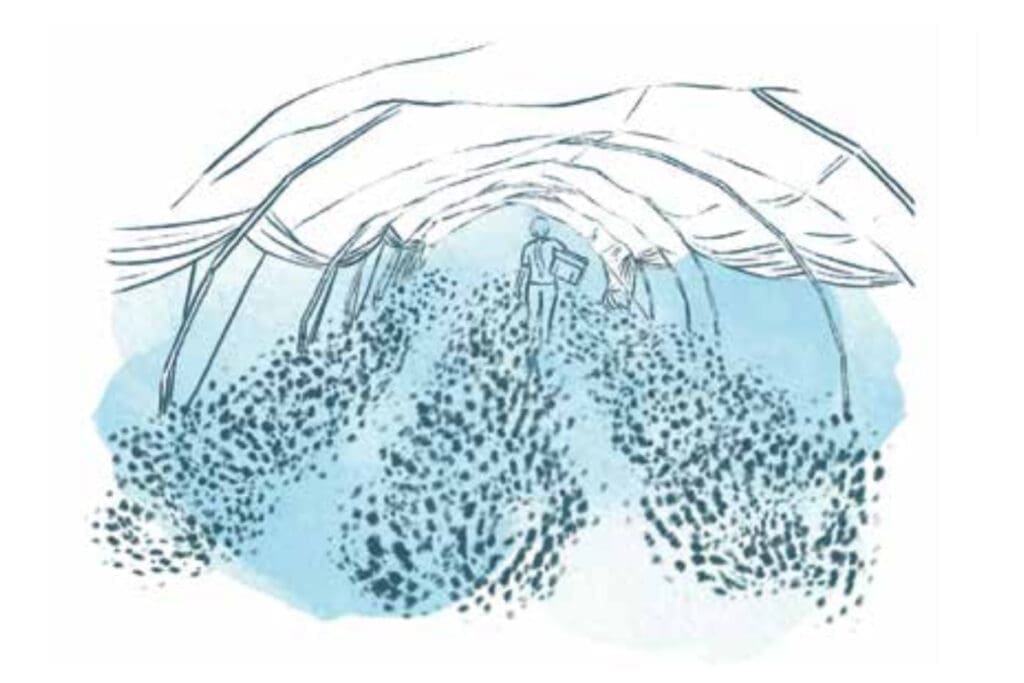
Greenhouses and tunnels provide so many advantages for market gardeners. Although their initial cost may seem high, the structures quickly pay for themselves.
First, they allow growers to start crops earlier in the spring and keep them in the ground longer into the fall. This means you can produce vegetables that are less common in any given season and highly sought-after by consumers who will pay a premium price for them.
Second, extending your shoulder seasons with a greenhouse or tunnel allows many consecutive vegetable crops to grow in the same bed, thus increasing your total yields.
Finally, these structures protect crops from adverse and unexpected weather events like heavy rainfall, winds, and sudden drops in temperature.
As a result, you have more control over the vegetables’ growing environment: you can manage the temperature, relative humidity, watering, airflow, and pests and diseases. In these closed environments, it’s easier to stop the spread of fungal diseases or introduce beneficial insects. You will create optimal conditions for your crops.
Expect the Unexpected!

Planning also means anticipating unforeseen events and dealing with setbacks. To prepare, you should establish a budgetary roadmap that will guide you throughout the season. This document must account for spending on supplies—seedlings, seeds, and growing materials, as well as tools and all kinds of small equipment—and also provide for the acquisition and depreciation of more expensive equipment. Identify any anticipated major purchases such as new tools or permanent structures (greenhouses, tunnels, food-processing or packing rooms, storage facilities, etc.).
You should also plan for the cost to maintain and replace equipment that wears out over time like silage tarps and irrigation systems.
Build these expenses into your budget so you’ll have the funds when they are needed.
Additionally, bear in mind that you will likely have to deal with unforeseen events; a surprise frost, for instance, might require you to quickly buy protective equipment, repair damaged infrastructure, or replace destroyed plants.
Including this leeway in the budget will allow you to address the unexpected calmly and ensure that your operation is financially stable. By anticipating costs, you are better prepared to face all issues that might arise during the season. This, in turn, contributes to making your business more sustainable.
Accurately Assess Profitability
Hiring staff or investing in equipment can provide many benefits. It can allow you to increase your growing area, diversify your operations, and respond positively to new opportunities. For example, with a larger workforce, you could consider joining an additional weekly market or including more value-added products such as juices, sauces, or ready-made meals.
Similarly, acquiring new specialized equipment can streamline certain tasks and increase the efficiency of your operation. However, it’s essential to carefully weigh the costs and benefits of these investments to ensure they contribute to making your business more profitable. A sound financial plan and thorough analysis can help you make the right decisions about managing operations while maintaining satisfactory and sustainable profitability.
Tip from Jean-Martin Fortier
Everything that happens in your garden is determined by the operations calendar you create during early-season planning. This serves as a roadmap guiding you towards success and profitability, so take the necessary time to carefully craft it and make it your trusted partner for the coming season.