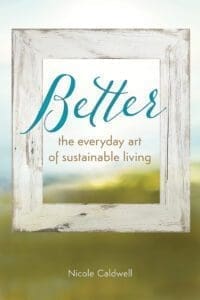
Excerpt from Where You Begin
You do not need to live in denial in order to have the semblance of a good life.
This is your moment, though maybe you don’t quite know it yet.
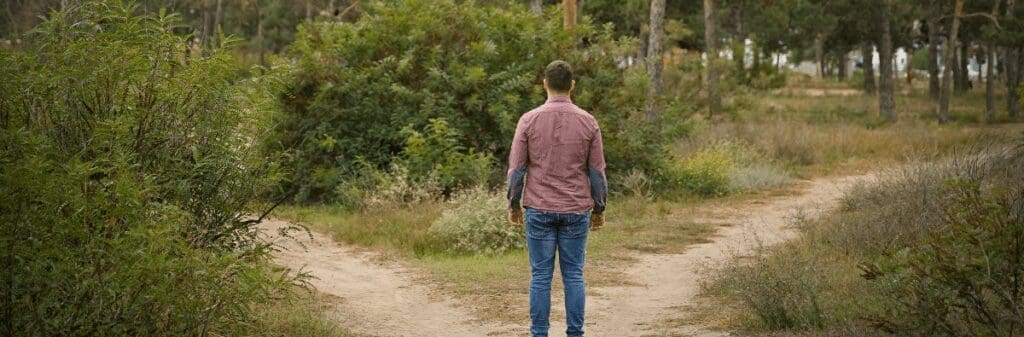
You’ve reached a crossroads. You can stay the course on the road you’re on — or you can take what you’re learning and do something with it. You can be destroyed by the hand life dealt you, or you can let it embolden you. Where will your life be in ten years — if you stay the same? If you change?
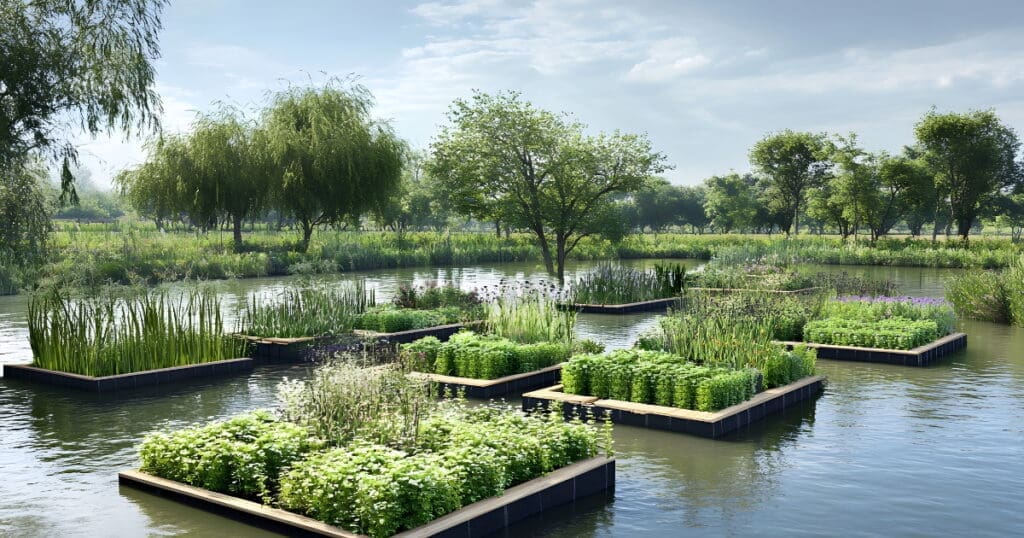
This is the tipping point. Which way do you want to go? Will our futures be dictated by nine-to-five jobs, bottom lines, uncontrollable circumstance and fossil fuels — or by sustainable love, energy, autonomy and natural systems? We already have the technology, know-how and resources to reduce our carbon footprints without surrendering all of the things we’re accustomed to. We don’t have to give up vehicles, shopping, a climate-controlled home or convenient access to food. In fact, we can make changes that will save money, offer more security and make us happier and healthier.
The changes we can make one at a time will create jobs. Allow us to live richer lives. And promise our children a brighter future. It all starts with one mindful step in which we ask how our decisive actions affect ourselves, our neighbors and our planet.
Awareness comes before choice. The Better Theory functions by pushing us to practice awareness that is naturally followed by acceptance, then action toward living our best lives. By using this approach we connect to a higher power — one more in rhythm with our own needs and the needs of the world around us. When we work through things that are difficult, we maximize our ability to find a sense of purpose and meaning.
We learn more about ourselves.
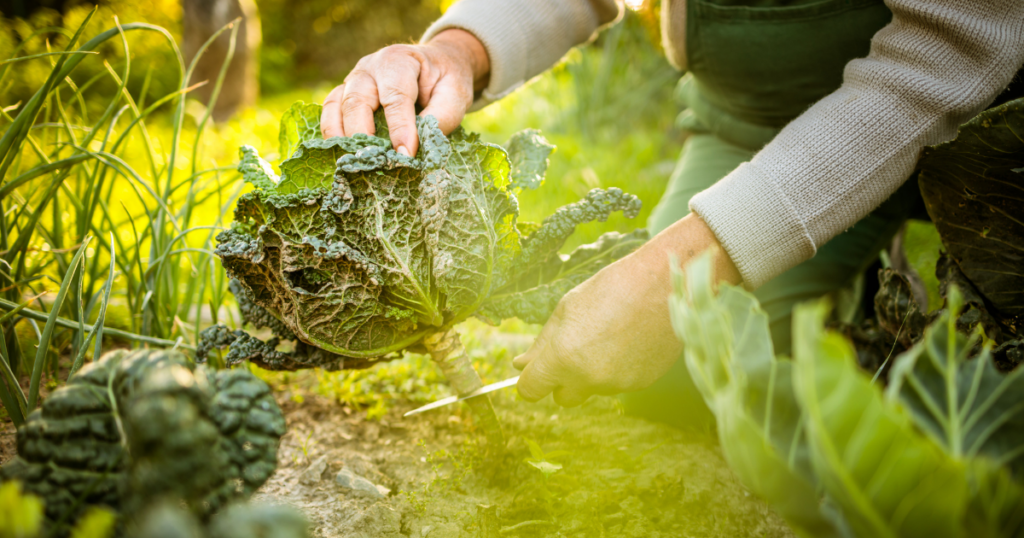
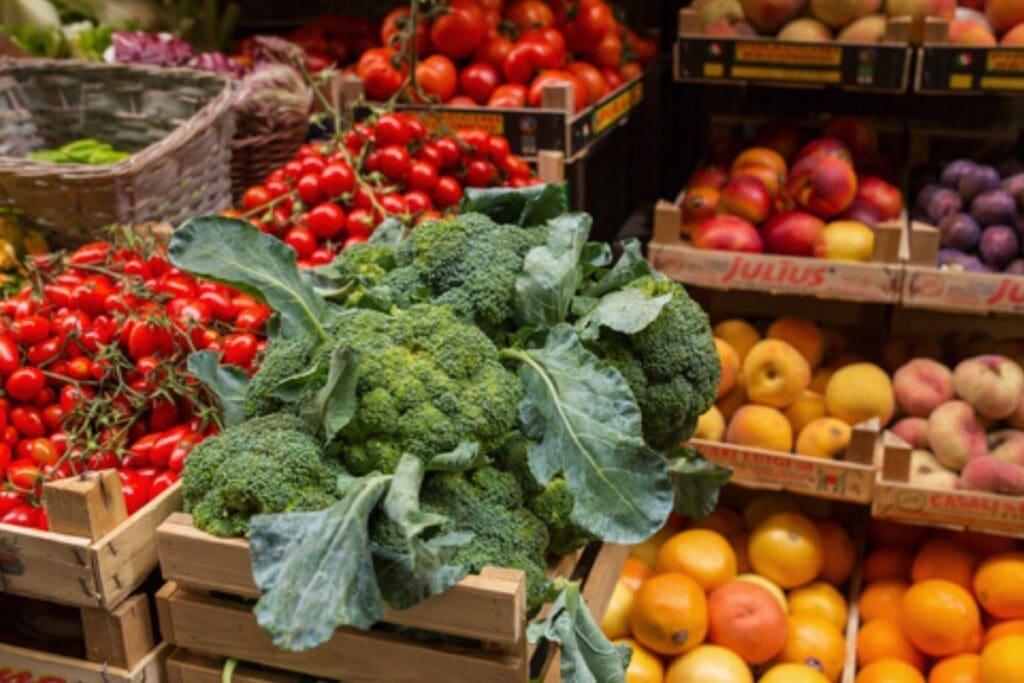
We are humbled by reaching out for help. Through this process, our pain becomes our teacher, and detriments become aides. We have effectively transformed the negative into a positive. When we see the environment around us as an extension of ourselves, suddenly where our food comes from is of the utmost importance. It’s simple to start a small garden at home even in a very limited space, and to supplement homegrown produce at farmers markets and with locally sourced food.
Growing our own provides us with food security and safety, nourishes the dirt, drastically cuts our carbon footprint, creates circular loop systems, saves money, boosts biodiversity, relieves stress and makes us healthier.
We are more prone to a divine sense of oneness when we live this way. We experience the exhilaration of standing at the edge of the Grand Canyon or looking at the stars through a telescope. We are one tiny part of a greater whole. Everything doesn’t depend on us, and yet our actions interact with and influence other actions. We are free.
In so recognizing the interconnectedness we all share, we make the first steps toward living a more sustainable and loving existence. No action occurs in a vacuum. Spending time in a garden produces spiritual awareness. The creative process can help us foster a deeper respect for the natural world. All these elements combine to give us a sense of our wholeness.
The only way to close the gap between people and planet is to make new connections. And when we can tap into the Earth, connect with each other and our selves, fear dissolves. This work can start with you.
Maybe you hate your job and would love to do something different — but you have a mortgage/six children/a spouse who doesn’t work/thousands of dollars in credit card debt. You have debilitating physical ailments, and you just want to give up. Your relationship with your girlfriend is unfulfilling, but you don’t want to be alone. You have an idea for a new business, but what if you fail? You don’t have time to garden. Or you don’t know how.
Getting your family to compost seems impossible. All this green-living stuff is at best an exercise in futility. You were never any good at art — and anyway, who has time for that?
Jennifer Fink is a 36-year-old from York, Pennsylvania, whose sister Jackie attended the betterArts Residency Program in 2010 for pottery. When asked about her own creative outlets,
Jennifer had this to say:
I used to take solace and pride in my work and now all that has kind of died. I just get frustrated when I try to write or do art. I would need more time to dedicate to fixing that part of me than I would have available, I’m afraid. To me, being a responsible adult has been nothing more than the massacre of all my hopes and dreams for myself. I need to figure out how to enjoy art again.
Sound familiar?
We have caused unknown damage to ourselves by creating a world that compartmentalizes vocations: logical people versus ethereal; people who work with their hands versus those who sit at a desk; work versus play; form versus art. When is the last time you used your hands to make something? The last time you felt dirt on your skin, or cooked something from scratch? When is the last time you doodled or took a pottery class? Think about what this act of creating means to you and ask yourself why you don’t do it so much anymore.
The high aspirations that dominated the imagination of people in North America in the 1950s now permeate our culture. When trying to identify the American Dream today, we still commonly think of owning our own house, having kids, convenience, material accumulation, leisure time, status, career mobility, security and continuing education. While almost all of these traits are luxuries or perks, our society has come to see them as tools required for survival in today’s world.
The sense that we must achieve this huge laundry list of standards in order to somehow be okay is garbage. And it’s making us — and our planet — very sick. Seventy percent of Americans are on prescription drugs, according to a 2013 Mayo Clinic report. The second-most common prescription among these was for antidepressants. We’ve got the blues. Is it such a mystery why, when so much of our focus is on the achievement of or attention to unnecessary things that we perceive as necessary?
Millions of people have struggles similar to yours. So many of us are paralyzed by our own fear of the unknown and a worry about what might go wrong if we try something different. Fear breeds paralysis. It feeds off of itself. It pushes dreams and compassion out the window and takes up all the room in your head. We become aware of our own dissatisfaction but do little or nothing to accept and change it. We are dealt mental and physical blows in this life that seem insurmountable.
“As we speak, I am recovering from a spinal fusion,” said Kelly Rouba-Boyd, a professional writer and newlywed who was diagnosed at the age of two with juvenile rheumatoid arthritis.
Aside from having to stay in the ICU once before due to internal bleeding, this has been one of the most difficult times in my life. It’s also not how I had hoped to begin my life as a married woman. To be honest, I wasn’t sure I’d make it to my first wedding anniversary since my doctor admitted it was a very dangerous surgery. But here I am, still going strong. The human race is extremely resilient. When faced with adversity, we often find ways to overcome it — and that is exactly how I’ve chosen to live my life. The disease has taken quite a toll on my body, and I am reliant on a wheelchair to get around. But I never let grass grow under my wheels. I believe in pushing past limits and making the most out of the life we’ve been given.
In the last several years, Kelly authored a book on juvenile arthritis, was named Ms. Wheelchair New Jersey and was honored with a $100,000 annual juvenile arthritis research grant named after her. If Kelly can do all of this, certainly we can get over a crummy breakup. Surely we can cultivate a garden. Of course we can compost.
“When a longtime friend saw the long scar that now runs down my entire neck,” Kelly said, “it surprised me that he didn’t wince. Instead, he said it’s symbolic as it shows others how tough I am. I hope my efforts have inspired others to live life to the fullest — no matter what hand they’ve been dealt.”
The challenges we face as individuals, communities, governments and as a whole planet are also huge opportunities. Let’s not overwhelm ourselves. Let’s start small. If you can make a few small changes, a ripple effect will take hold for you — and for the people around you. There are ways to jump from the treadmill we’re on. There are ways to slow our lives down enough to actually enjoy them. If you can practice Better and treat your problems as opportunities, your experiences will improve. And when your friends and family see your transformation, they’re likely to start making some small changes too. And the power of that small change, spread out across the world, turns ripples into tidal waves.
It begins with you. You have to change your thinking; change how you look at the world. Seek magic. Find coincidence. Practice wabi-sabi, the art of finding beauty in that which is unusual or incomplete. Heed your inner voice. Suspend your disbelief.
Stop saying no, yuck and can’t. Start saying yes, yum and can.