1. Where can people use earthen floors? Are they suitable for most homes?
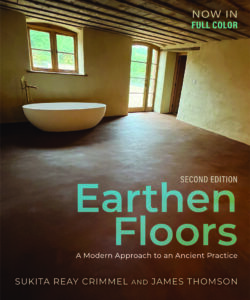
The short answer is: almost anywhere! We’ve installed floors in bedrooms, living rooms, offices, even bathrooms and kitchens. They’re probably not the best choice for utility rooms, garages, workshops, and places that get frequently wet without having a chance to dry ( “open shower” bathrooms, for example). They can be used in new construction or installed in pre-existing homes. Our book tells you everything you need to know about how to select an appropriate location for a floor, how to prep the space, how to install and finish it, and how to maintain it so it lasts for years.
2. How tough are earthen floors? Can they handle spills or moisture?

We often use wood floors as a comparison point for earthen floors. Like wood floors, earthen floors are strong and can handle some amount of spills or moisture. Also like wood floors, they can dent under point loads (furniture) or from the impact of something heavy falling on them, and they should not be used in places that are continuously exposed to moisture. Generally, if you can install a wood floor in a particular location, you can install an earthen floor there too. Our book discusses the relative hardness of earthen floors compared with other flooring options, how to deal with moisture issues, and how to repair them if they do get damaged.
3. Is this something a homeowner can tackle on their own, or should they call in a pro?
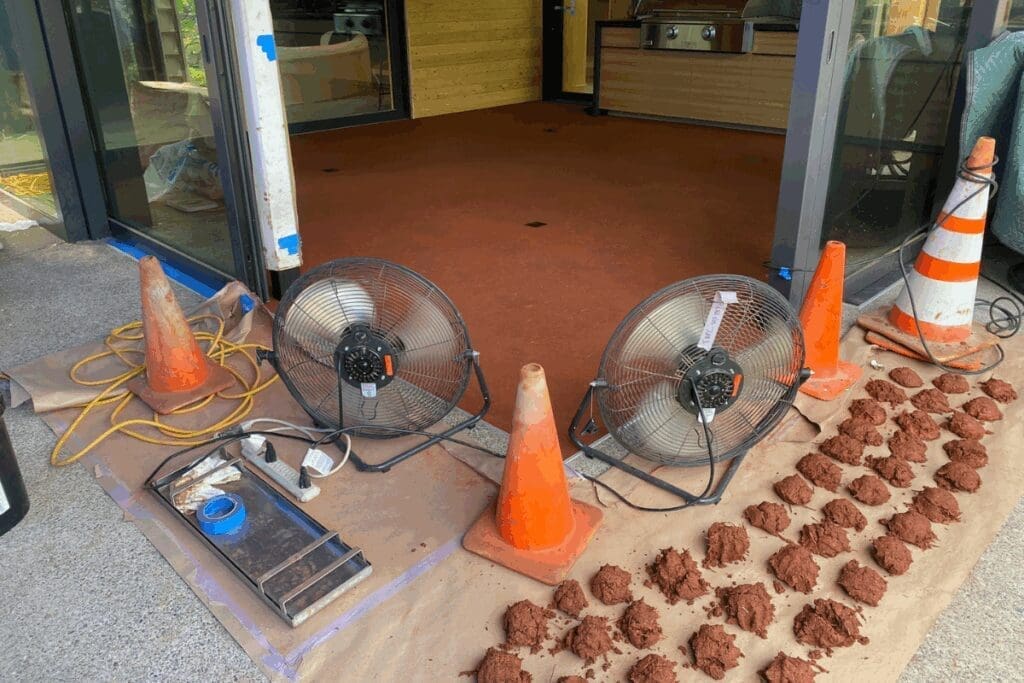
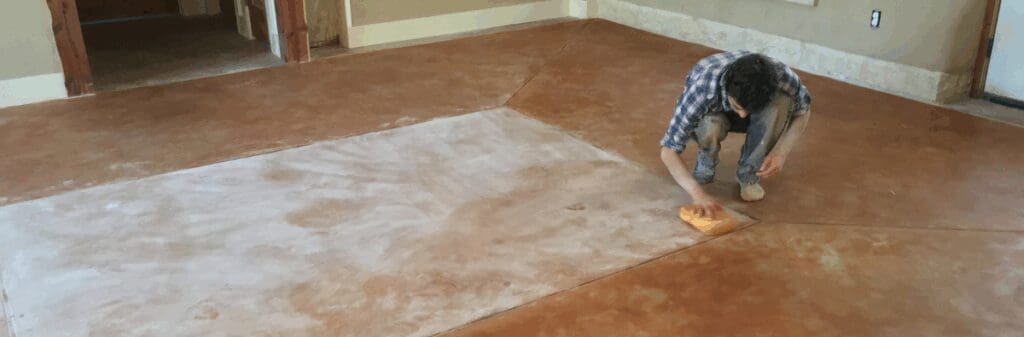
It is absolutely something a homeowner can do! The materials are safe to handle and the technique doesn’t require a lot of expensive (or dangerous) equipment. Part of the beauty of working with earth is that it is a very accessible building material, and a real joy to work with. That being said, like with anything, there is a learning curve: don’t expect to get a perfect floor on your first attempt! But even a beginner can create a beautiful, functional earthen floor by following the instructions in our book. Some people will choose to hire a professional because they don’t have the time to do it themselves (like many DIY projects, installing an earthen floor does take time), or they want a “professional-grade” finished product. Or you can do some combination of the two: As a DIYer, consulting with a professional at various stages of the project can save a lot of time and prevent mistakes.
While we know not everyone will be up for doing it themselves, we wrote our book with the DIYer in mind: it really is a complete start-to-finish resource. We hope that it inspires people to give it a try!