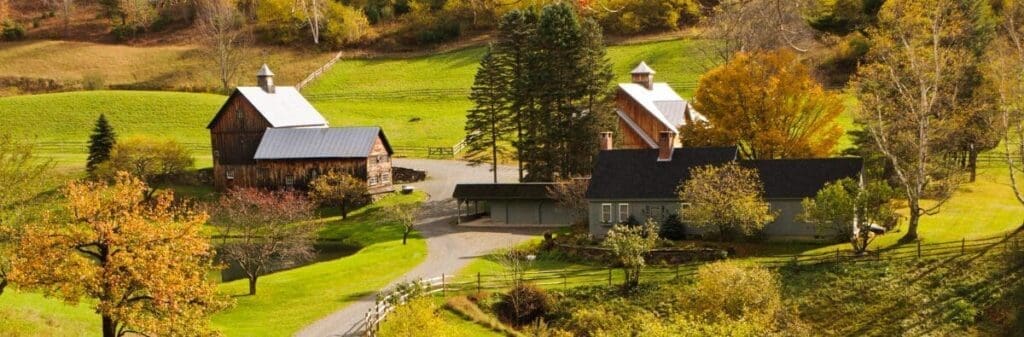
A scenic rural farm with barns, a farmhouse, trees, and a chicken coop in early autumn.

With prices rising and the world feeling less predictable, more people are turning toward homesteading as a way to grow their own food, care for animals, and rediscover balance through the rhythms of nature.

Our new blog, “From Coop to Hive: Why Homesteading Skills Matter More Than Ever,” explores how self-reliance, stewardship, and care for the earth can bring abundance and peace to your daily life.

In a world where grocery bills climb higher every month and headlines warn of supply shortages, many people are rediscovering something essential — the deep satisfaction of producing their own food and living in partnership with the land. The skills once considered old-fashioned—raising rabbits, keeping bees, tending goats, or collecting eggs from backyard hens—are now being embraced as pathways to independence, nourishment, and connection.

Learning to care for animals and grow food at home is more than a return to tradition; it’s a way of reclaiming control and balance. As the cost of food continues to rise, every new skill you gain—bottling milk, collecting honey, harvesting eggs, or fertilizing your garden with composted manure—reduces your reliance on a system that feels increasingly unpredictable. Every homemade meal sourced from your own efforts represents real savings and a renewed sense of stability.

But the beauty of homesteading lies not just in what we gain from the animals — it’s also about what they gain from us. When we raise creatures with care and respect, they reward us generously: milk from cows and goats, eggs from geese and hens, rich manure that feeds our soil, and honey from bees whose pollination keeps our gardens thriving. In return, we give them clean shelter, fresh pasture, gentle hands, and protection from harm. It’s a relationship built on reciprocity — one where every being contributes to the abundance of the whole.

Even the land itself becomes a participant in this cycle. The animals graze and forage, naturally fertilizing the soil that grows the plants that feed them—and us. The bees pollinate flowers and crops, increasing yields and biodiversity, while the compost from barns and coops returns nutrients back to the earth. Nothing is wasted; everything is transformed. This is how a homestead becomes more than a home — it becomes an ecosystem.

And within that ecosystem, there’s profound joy. The simple rhythm of morning chores, the hum of bees at work, the comfort of a goat leaning into your hand — these daily exchanges remind us that we’re not separate from nature but part of its ongoing story. Each creature we care for offers a lesson in patience, humility, and gratitude. In return, we offer them stewardship and love — and the land rewards us all with nourishment, beauty, and resilience.

The knowledge you gain from learning these traditions is a lifelong investment. Once you know how to tend animals, work with the land, and live in harmony with its rhythms, that wisdom stays with you — ready to be passed down through generations. In uncertain times, that’s a priceless inheritance.

So this harvest season, take a step toward self-reliance and rediscover the joy of feeding yourself, your animals, and your soil. Start small — a hive, a coop, a patch of garden — and watch how abundance grows when care flows both ways. Because when we nurture the land, it nurtures us right back.

Further Exploration

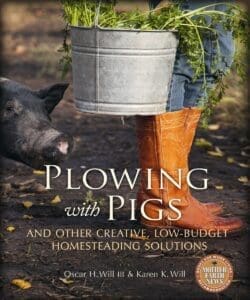
by Oscar H. Will, Karen K. Will View Title
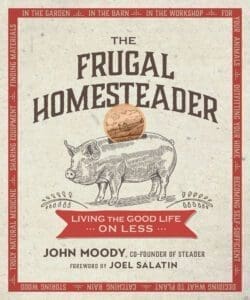
by John Moody View Title
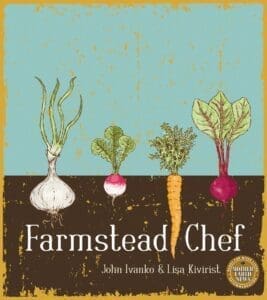
by John Ivanko, Lisa Kivirist View Title

Join the Conversation

YouTube
Instagram
Pinterest

Spread the Knowledge

author Kirsten Lie-Nielsen

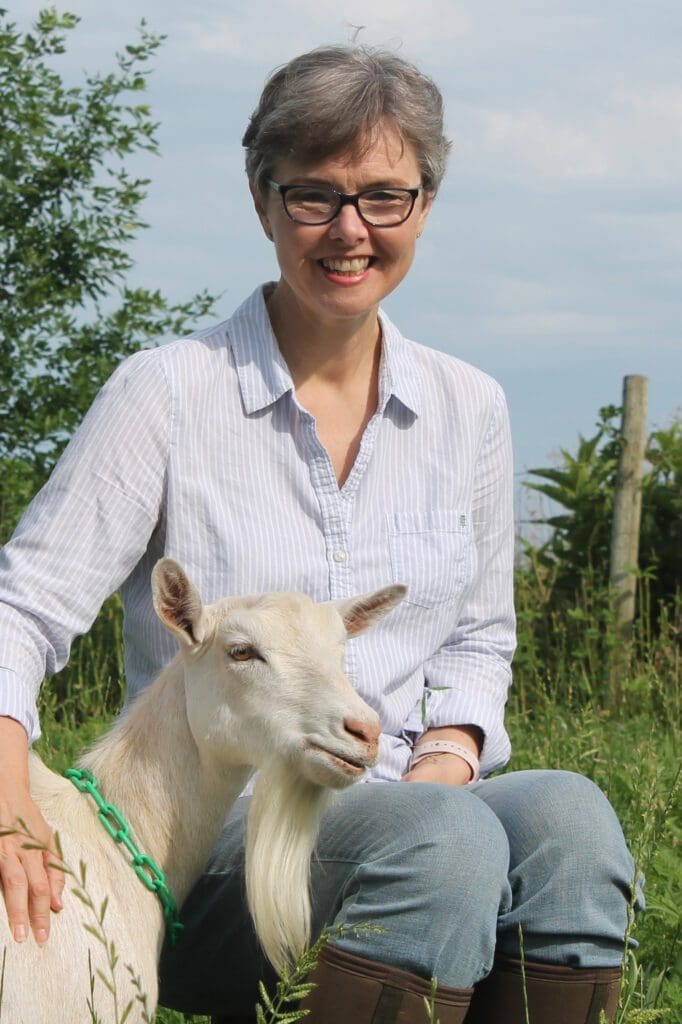
Kirsten Lie-Nielsen is a writer and farmer living on 93 acres in rural Maine. After starting a small hobby homestead with her partner on an abandoned farm with no electricity and running water, Kirsten’s endeavors have quickly grown to encompass geese, goats, chickens, bees, ducks, and extensive vegetable and herb gardens. Always intrigued by self-sufficiency and working with her hands, Kirsten enjoys sharing her experiences and the lessons of life on the farm for publications such as GritMother Earth NewsBackyard Poultry, and Hobbyfarms.com. Kirsten blogs about her rural adventures at hostilevalleyliving.com, and her first book, The Modern Homesteader’s Guide to Keeping Geese, was released in October 2017.

author Deborah Niemann

Deborah Niemann and her family moved to the country in 2002 to start producing their own food organically, including their own goat cheese. Before she knew what happened, 2 milk goats turned into 20, and a desire to make a simple chèvre launched a whole new career helping people raise their goats. Deborah is the author of Homegrown and HandmadeEcothrifty, and Raising Goats Naturally. She teaches online courses on raising goats and chickens at the University of Massachusetts and contributes to magazines such as Hobby FarmsGRITMother Earth NewsChickens, and Urban Farm. Deborah maintains a homesteading blog from her farm in Cornell, Illinois.

author Callene Rapp

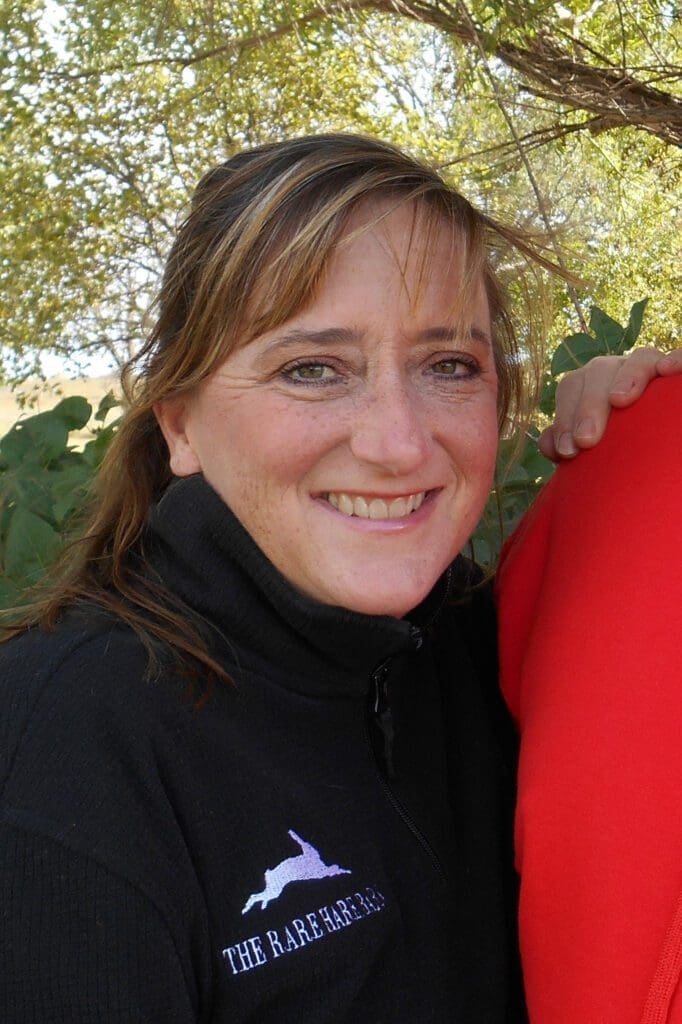
Callene and Eric Rapp have owned and operated the award-winning Rare Hare Barn since 2005, the largest heritage-breed meat-rabbit enterprise in the United States. In addition to their conservation work with rabbits, they have a large herd of heritage-breed Pineywoods cattle, and work with the critically endangered Palmer-Dunn strain. Callene has also worked with a variety of cattle breeds at the Sedgwick County Zoo, and Eric has had experience with his family’s own cow-calf operation. They have over 50 years of combined experience handling nearly every species of domestic livestock and are active members of the Livestock Conservancy. Callene is also a regular contributor to Grit Magazine. Authors of Raising Rabbits for Meat, they live and farm in Leon, Kansas.

author Eric Rapp

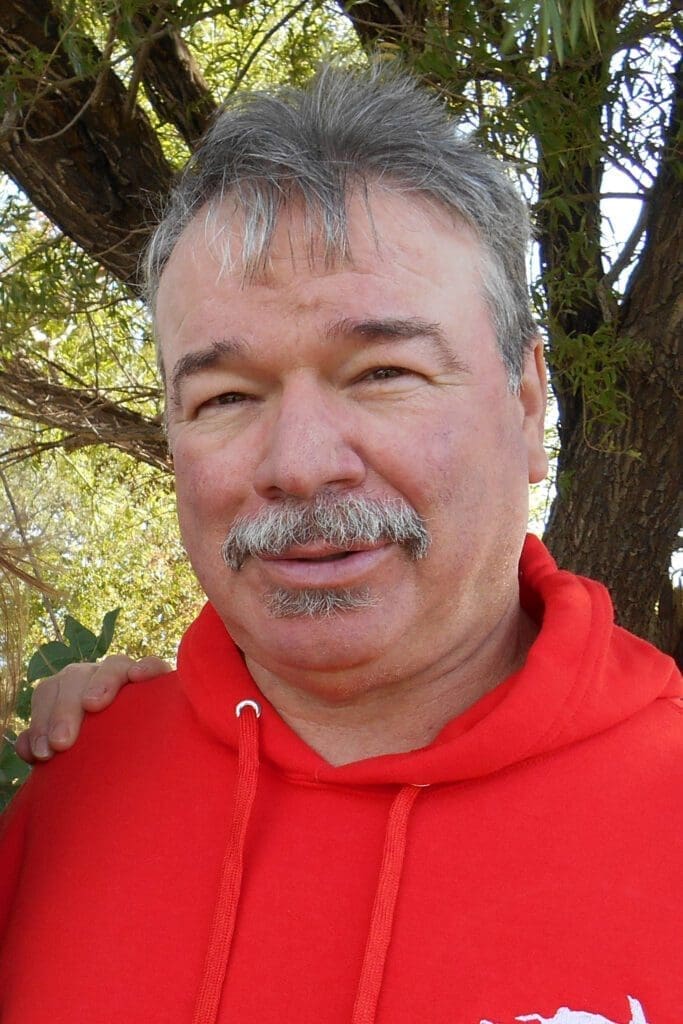
Callene and Eric Rapp have owned and operated the award-winning Rare Hare Barn since 2005, the largest heritage-breed meat-rabbit enterprise in the United States. In addition to their conservation work with rabbits, they have a large herd of heritage-breed Pineywoods cattle, and work with the critically endangered Palmer-Dunn strain. Callene has also worked with a variety of cattle breeds at the Sedgwick County Zoo, and Eric has had experience with his family’s own cow-calf operation. They have over 50 years of combined experience handling nearly every species of domestic livestock and are active members of the Livestock Conservancy. Callene is also a regular contributor to Grit Magazine. Authors of Raising Rabbits for Meat, they live and farm in Leon, Kansas.

author Victoria Redhed Miller

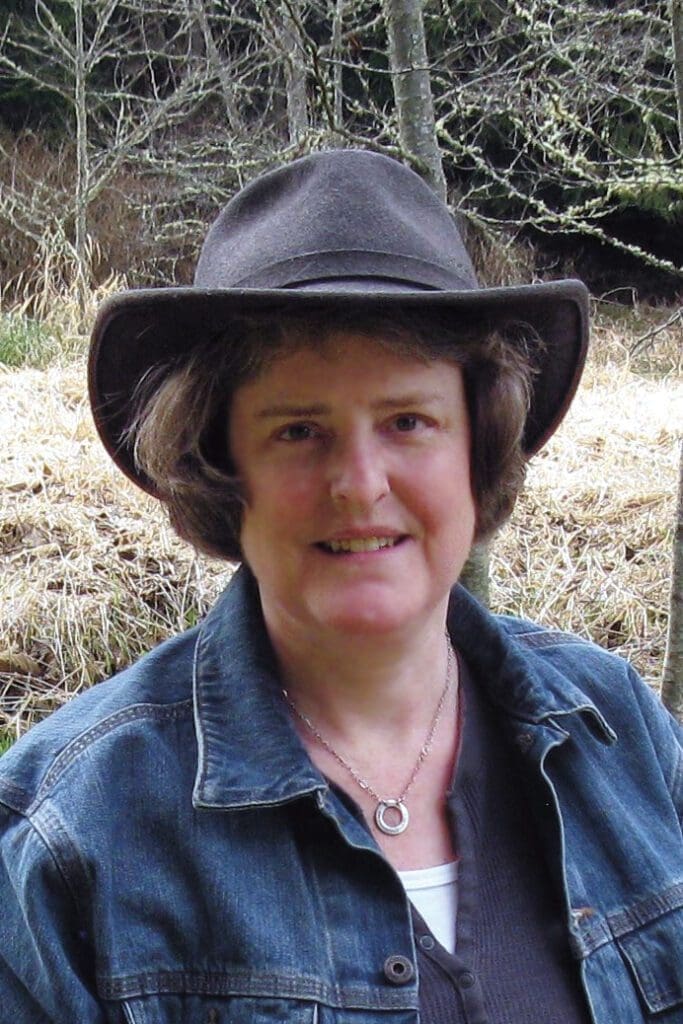
Victoria Redhed Miller is a writer, photographer, and homesteader. She speaks and writes extensively on topics including home distilling, bread baking, poultry keeping, and more. Victoria lives on a 40-acre off-grid farm in Washington State, and is also the author of Pure Poultry and the award-winning Craft Distilling.

author Leo Sharashkin

Leo Sharashkin, PhD, is a full-time natural beekeeper and founder of HorizontalHive.com He has edited numerous books on natural beekeeping, writes for major magazines, and speaks internationally on bee-friendly beekeeping. He holds a PhD in Forestry from the University of Missouri and a master’s in Natural Resources from Indiana University. Sharashkin’s forest apiaries are composed entirely of local wild honeybees housed in bee-friendly horizontal hives. He lives in the Ozarks of southern Missouri.

author Fedor Lazutin

Fedor Lazutin was a natural beekeeper, homesteader, and advocate for habitat restoration and sustainable living in Russia.

More blogs from New Society Publishers

Select your currency
Secret Link