
Fruiting vegetables and seed vegetables make up a highly diverse plant category that significantly contributes to our diet. It encompasses species from winter squash to beans and the Solanaceae family, including tomatoes—the quintessential crop—and offers unique flavors and varied textures, making these vegetables true culinary gems.
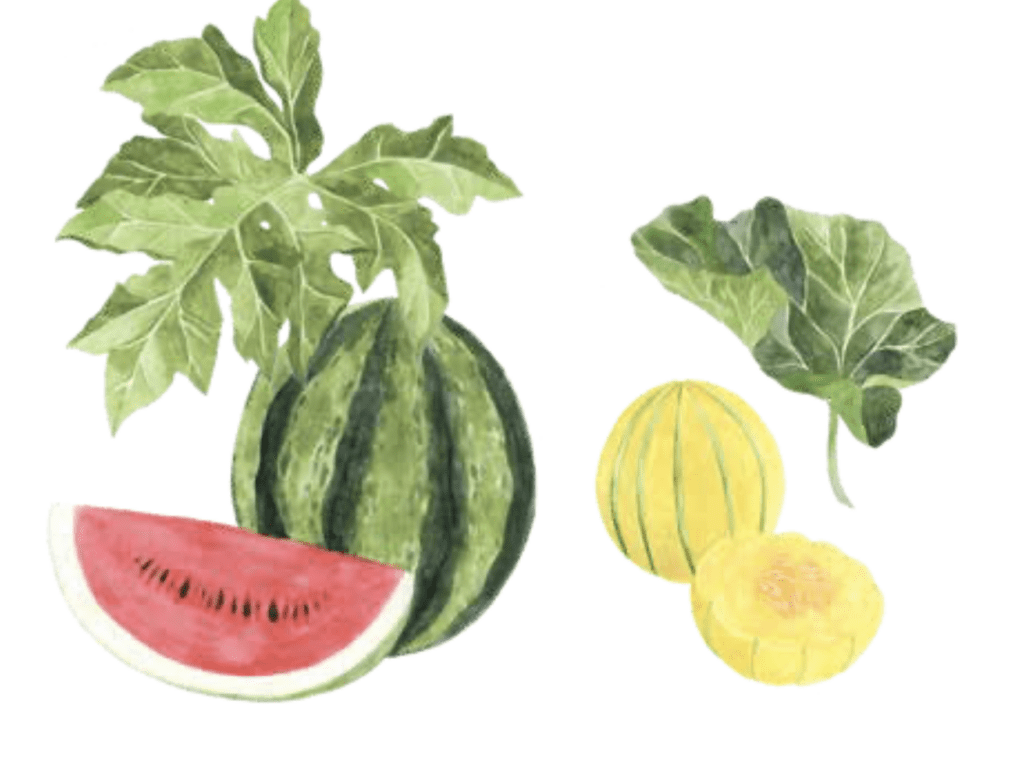
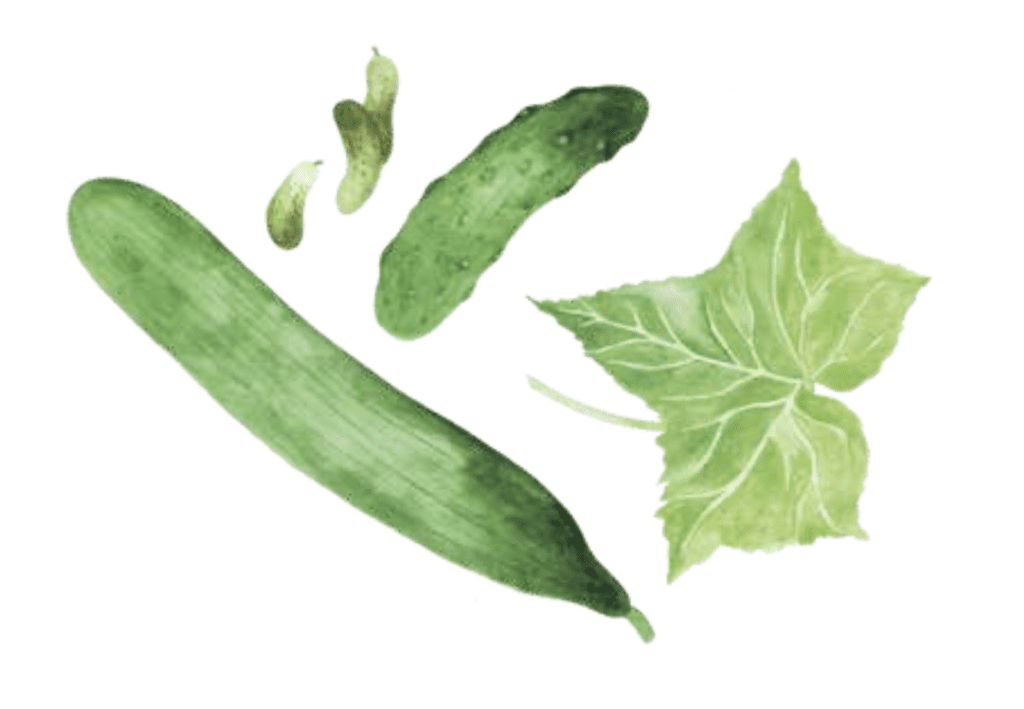
With fruiting or fruit vegetables, the part that we eat is in fact the mature fruit of the plant, which is a swelling of a fertilized ovary. Once pollinated, the flower begins forming a fruit containing the seeds needed for plant reproduction. This complex botanical process generates myriad vegetable shapes, sizes, and textures. Think of tomatoes, eggplants, sweet peppers, hot peppers, tomatillos, and ground cherries. In contrast, winter and summer squash, cucumbers, and melons produce what is called false or accessory fruit, which forms when several flowers fuse into a single fleshy organ.
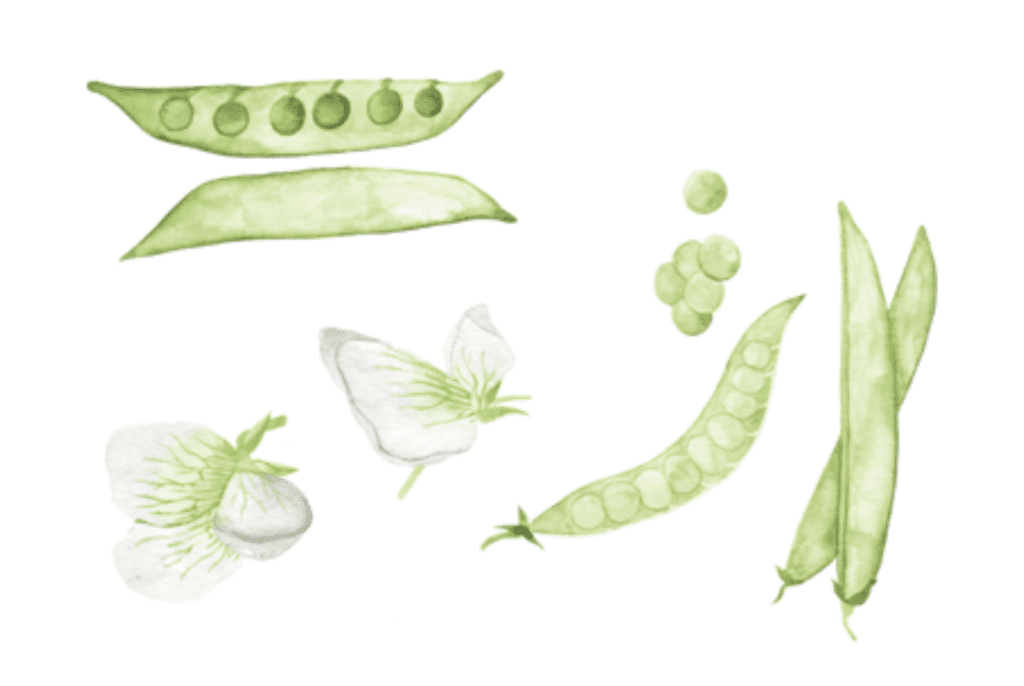
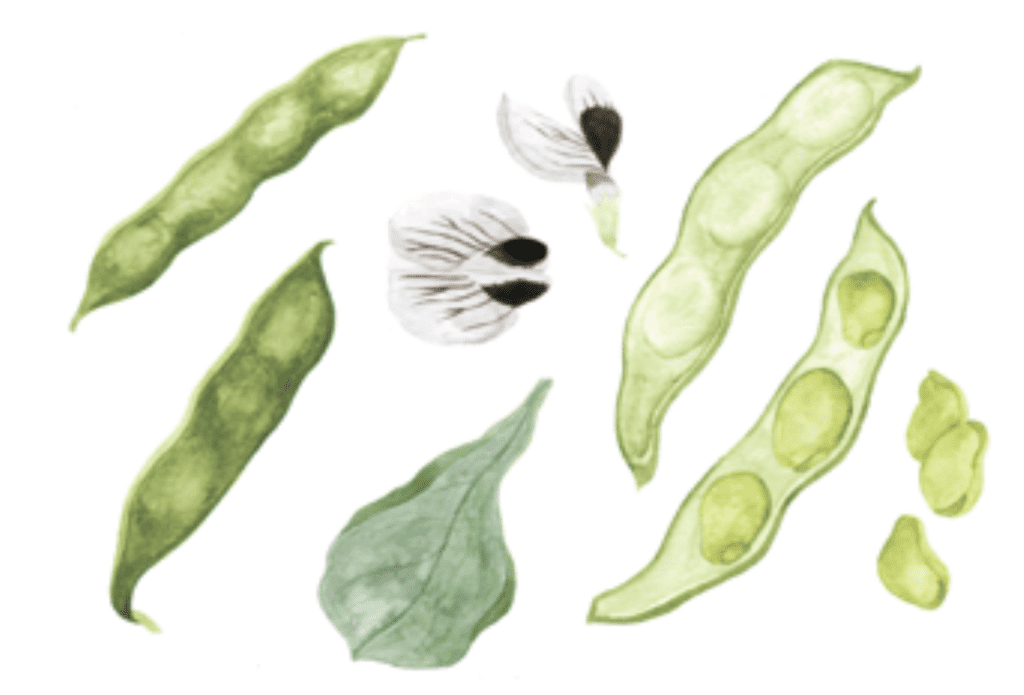
Legumes, or Fabaceae, such as beans and peas deserve a prominent place in our diets because they deliver many nutritional benefits, store well, and benefit the soil. These vegetables are eaten in two ways, either unripe (pods and seeds ), such as green beans, green peas, snap peas, and snow peas, or ripe and dried, as with flageolet beans, dried peas, and broad beans.
Nutritionally legumes are a rich source of plant protein, fiber, vitamins, and essential minerals. When regularly incorporated into a diet, they can contribute to maintaining a healthy nutritional balance, providing nutrients that support muscle health, digestion, and general vitality.
Once ripe, the dry seeds of beans and peas can also be harvested and stored for later consumption, especially during the winter. This provides a significant advantage, allowing gardeners to stock their pantry with protein stores to cook over the coming seasons.
Winter and summer squash are iconic fruiting vegetables with succulent flesh and an array of shapes, colors, and flavors: the delicate patty pan, the mild red kuri, the creamy butternut, or the less common chilacayote squash. When stored properly, winter squash can keep almost until the following year’s first harvests, providing valuable nutrients in the offseason.
With diverse origins dating back to ancient times, fruiting vegetables and seed vegetables represent human migrations, cultural interactions, and botanical crossbreeding. All types of squash, from patty pan, red kuri, and butternut to chilacayote to zucchini (courgette ), hail from South and Central America, and were later introduced to Europe. Cucumbers are native to Asia, where these vegetables were grown for millennia before conquering kitchens the world over.
Melons have a long history in Asia, Africa, and the Middle East and only recently became staples in European and North American markets. Beans and peas were cultivated in various parts of the world, from South America to Asia, providing important sources of plant protein to different populations.
Tomatoes, native to South America, conquered Europe in the 16th century, while eggplant, sweet peppers, and hot peppers originate from tropical regions in Asia and the Americas. Physalis, a plant group that includes ground cherries, alkekengi (or “love in a cage,” in French), Cape gooseberries, and tomatillos, has long been grown in South America and Africa before spreading around the world.
Beans and peas, from the Fabaceae family, have two distinguishing features: edible seed pods and, most notable, the ability to fix atmospheric nitrogen in the soil.
These plants use root nodules to form a symbiotic relationship with Rhizobium bacteria, a unique collaboration that converts atmospheric nitrogen into a form that is available to plants. In other words, beans, peas, and other vegetables in this family actively contribute to enhancing soil nitrogen, an essential nutrient for plant growth, and by extension for crops that are adjacent or will succeed them in the same bed.
When harvesting Fabaceae, you may opt for a practice that is greener and better for your soil: don’t pull out the roots and don’t remove and throw away all the foliage (stems, leaves, etc.). Instead, it is best to cut these aboveground parts at the soil level, leaving the root ball in place. Covered in a thriving community of bacterial nodules, the roots will continue to release nitrogen into the soil as they decompose. This method improves soil fertility and reduces the need for additional nitrogen inputs.
Fabaceae also generate a significant amount of green waste from their aboveground components. Rather than throwing this out, you can finely chop it to make a beneficial mulch that can be left in situ as an amendment or applied to the surface around other crops. It acts as a protective cover, maintaining soil moisture, regulating soil temperatures, and limiting weed growth. By using this green vegetable waste, growers turn it into a precious resource that contributes to improving overall soil health in the garden.
Soil nitrogen can therefore be significantly enhanced naturally by Fabaceae crops. To get the most out of this nutrient boost, consider planting nitrogen-loving vegetables such as leafy greens (spinach, lettuce, etc.) after Fabaceae in your crop rotation. These will benefit from the available nitrogen in the soil, which promotes vigorous growth and high yields.
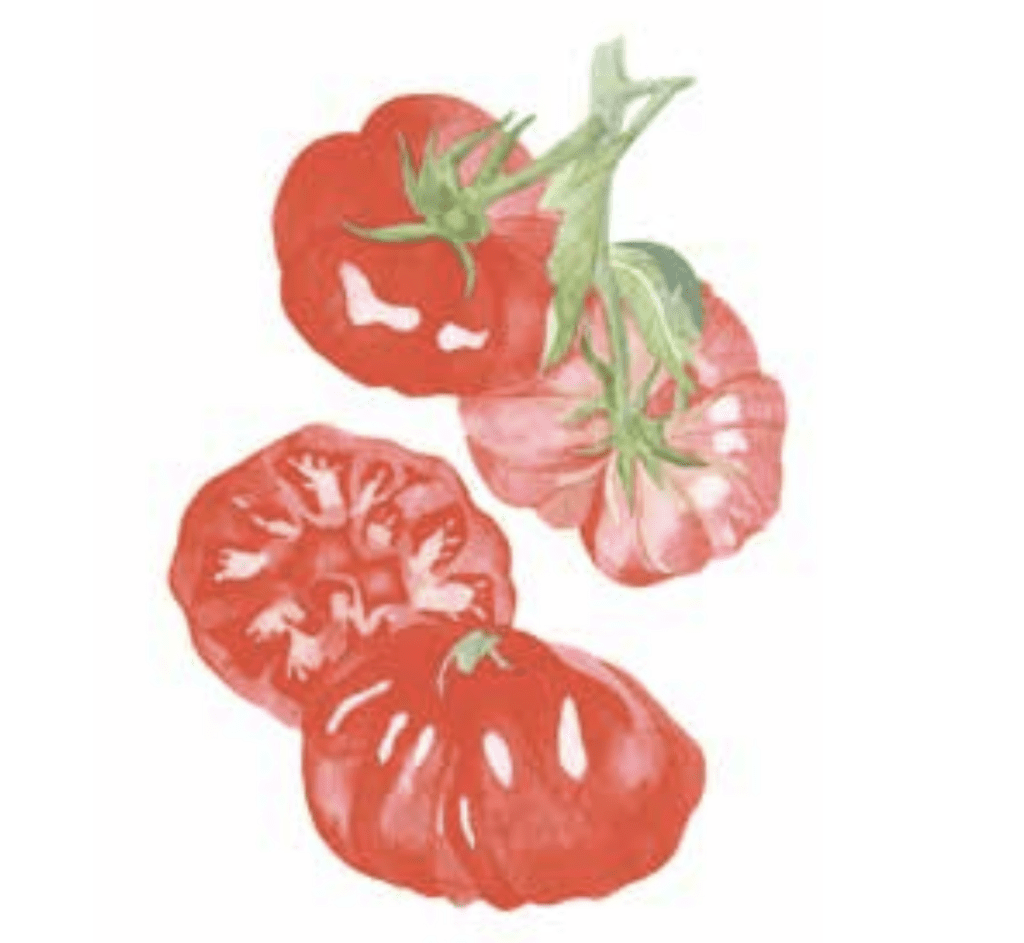
Tomatoes, the undisputed VIPs in every vegetable garden, grow particularly well when given special attention. In this book series, Tomatoes: A Grower’s Guide is dedicated to describing their stages of cultivation. Because they are immensely popular and have a rich varietal diversity, specific growing methods and techniques have been developed to get the most out of this fruiting vegetable. The guide presents detailed information about growing techniques from sowing, transplanting, pruning, and trellising to fertilizing, watering, pest management, and harvesting.
In the kitchen, fruiting vegetables are the foundation of so many classic dishes, such as ratatouille and mixed salads, as well as more unusual meals such as tian and moussaka. Provençal tian, made from thinly sliced zucchini, eggplant, and tomatoes baked with herbs, is an ode to the simplicity and freshness of Mediterranean cuisine, as is Greek moussaka, featuring layers of grilled eggplant, tomato, and ground meat.
To enjoy the advantages of these fruiting vegetables during fall and winter, canning is a practical solution. For instance, tomato sauces and ratatouille—a gourmet blend of zucchinis, eggplants, peppers, and tomatoes—are well suited to this preserving method.
Squash, cucumbers, beans, and peas are annual crops, completing their life cycle in one year. It’s therefore important to sow or plant these vegetables at the right time, depending on the climate, so they will grow during the summer months.
While tomatoes, eggplants, and peppers are referred to as annuals in many regions, they can behave like perennials in milder climates. Where winters are warmer and frosts are uncommon, these Solanaceae crops can live for several years in a row. Still they may have a limited lifespan, even in mild climates, due to factors such as a decline in general vigor or the spread of disease.
After harvesting tomatoes, peppers, and eggplants, consider planting quick crops at the end of the season. Opt for fast-growing vegetables such as lettuce, baby greens, pac choi, and radishes. Because these Solanaceae crops are heavy feeders, introduce cover crops, such as phacelia or a seed blend, to your soil.